

TL;DR:
- Well-chosen, research-backed vitamins like C, A, E, and collagen have proven skin benefits.
- Consistent use over at least 12 weeks is key to seeing visible skin improvements.
- Targeted routines combining specific vitamins are more effective than generic multivitamins.
Walk into any pharmacy or scroll through any wellness site and you’ll face hundreds of vitamin options, each promising flawless skin, thicker hair, and boundless energy. For women aged 20 to 45, cutting through that noise is genuinely hard. Most products lean on vague claims and flashy packaging rather than real science. Here’s the truth: a handful of well-chosen, research-backed vitamins can make a measurable difference in your skin’s hydration, elasticity, and overall glow. This article breaks down exactly which vitamins earn their place in your routine, how to compare them, and how to build a simple, effective daily habit that actually works.
Table of Contents
- How to choose vitamins for beauty and skin health
- Top evidence-based vitamins for women’s beauty
- Vitamin comparison: What each does for beauty and wellness
- Smart ways to take vitamins: Multis, singles, and real-world routines
- The real secret to vitamin-powered beauty that most routines miss
- Radiance made simple with premium beauty vitamins and supplements
- Frequently asked questions
Key Takeaways
| Point | Details |
|---|---|
| Evidence-based picks | Vitamin C, A, E, collagen, and D have the strongest research backing for younger-looking, hydrated skin. |
| Personalized approach | Choose vitamins based on real deficiency tests, your unique skin needs, and simple routines. |
| Multis vs singles | Multivitamins cover basics for busy lives, but targeted single vitamins deliver best beauty results. |
| Consistency matters | Visible improvements, especially with collagen and vitamin C, require at least 12 weeks of steady use. |
| Safety first | Avoid overdosing vitamins A and D; follow recommended intake and seek professional advice if unsure. |
How to choose vitamins for beauty and skin health
With the landscape defined, let’s zero in on what truly matters in a vitamin and what’s worth skipping.
The first step is identifying your primary skin concern. Are you dealing with dryness and dullness? Fine lines? Breakouts? Each concern points to a different nutrient. Someone fighting acne will prioritize different vitamins than someone focused on preventing early signs of aging. Knowing your goal keeps your supplement shelf lean and purposeful.
Next, understand which vitamins clinical research actually supports. The beauty-enhancing vitamins with the strongest evidence include Vitamins C, A, E, B3 (niacinamide), biotin, Vitamin D, and collagen peptides. According to clinical research, prioritizing vitamins C, A, and E over generic multivitamins delivers more targeted beauty benefits, though testing for deficiencies first is essential since excess Vitamin A can cause toxicity.
Here’s what to look for when evaluating any beauty vitamin:
- Ingredient form matters: Ascorbic acid (Vitamin C) and retinyl palmitate (Vitamin A) are better absorbed than cheaper alternatives
- Dose matters: A supplement with 50mg of Vitamin C won’t move the needle the way a clinical dose will
- Third-party testing: Look for NSF, USP, or Informed Sport certifications
- Avoid unnecessary fillers: Artificial colors, excessive binders, and proprietary blends hide actual dosages
- Check your diet first: If you eat a varied, whole-food diet, you may only need one or two targeted additions
“Testing for nutrient deficiencies before supplementing is the smartest first step. A blood panel can reveal gaps that no marketing claim ever will.”
Pro Tip: Multivitamins help cover your nutritional bases, but when ingredient forms and doses are optimized, targeted daily routines built around one or two specific vitamins consistently outperform generic multis for visible beauty results. The science behind skin vitamins confirms that specificity wins.
Top evidence-based vitamins for women’s beauty
Once you know what to look for, here’s how the top contenders stack up according to clinical research.
Vitamin C is arguably the most important beauty vitamin for women in their 20s through 40s. It drives collagen synthesis, neutralizes free radicals from UV exposure, and directly improves skin hydration and firmness. Research confirms that Vitamin C supports collagen production, skin hydration, elasticity, and antioxidant protection against UV damage. Both oral and topical forms are effective, though combining them amplifies results.
Vitamin A (retinol in topical form, retinyl palmitate in supplements) is the gold standard for cell turnover, anti-aging, and acne reduction. Studies show that Vitamin A promotes cell turnover and collagen production while reducing wrinkles and acne. The catch is dosing. Stay within recommended daily allowances (700 mcg RAE for women) because excess Vitamin A accumulates in the liver and causes toxicity over time.

Vitamin E protects skin cells from oxidative stress, supports repair after UV exposure, and works best when paired with Vitamin C. Explore vitamin E for skin to understand how it strengthens your skin’s natural defense system.
B vitamins, especially niacinamide (B3) and biotin (B7), deserve serious attention. Niacinamide reduces inflammation, strengthens the skin barrier, and visibly minimizes pores. Biotin supports keratin structure in hair and nails. Learn more about vitamin B for skin and how these nutrients work together.
Collagen peptides are technically a protein, not a vitamin, but the clinical data is too strong to ignore. Research on collagen benefits for skin shows that collagen peptides improve elasticity by 8 to 12% and hydration by 23%, with effects sustained even after supplementation ends.
Vitamin D is frequently deficient in women aged 20 to 45, especially those who work indoors. It supports skin cell growth, immune function, and barrier integrity. Review clinical vitamin data for updated guidance on dosing.
Pro Tip: Pair Vitamin C with collagen peptides in the morning for a synergistic boost. Vitamin C is required for collagen synthesis, so taking them together maximizes absorption and results. Expect at least 12 weeks of consistent use before judging effectiveness.
Vitamin comparison: What each does for beauty and wellness
Now that you know what each vitamin does, compare your top picks side by side.
| Vitamin | Key beauty benefit | Daily dose | Evidence strength | Best timing | Main risk |
|---|---|---|---|---|---|
| Vitamin C | Collagen, brightness, UV protection | 500 to 1,000 mg | Strong | Morning | GI upset at high doses |
| Vitamin A | Cell turnover, anti-wrinkle, acne | 700 mcg RAE | Strong | Evening | Toxicity if exceeded |
| Vitamin E | Oxidative protection, repair | 15 mg | Moderate | With meals | Fat-soluble buildup |
| Niacinamide (B3) | Barrier function, inflammation | 500 to 1,000 mg | Strong | Anytime | Flushing at high doses |
| Biotin (B7) | Hair, nail strength | 30 to 100 mcg | Moderate | Morning | May skew lab tests |
| Vitamin D | Skin integrity, immunity | 1,000 to 2,000 IU | Strong | With fat | Toxicity if overdosed |
| Collagen peptides | Elasticity, hydration | 5 to 10 g | Very strong | Morning | None noted |
RCT data confirms that 5g collagen daily for 12 to 24 weeks yields 23% improved hydration and up to 12% better elasticity, making it the single most measurable beauty supplement available. Check collagen and skin appearance for a deeper look at the research.
Smart pairing strategies to consider:
- Vitamin C + Collagen: Collagen synthesis requires Vitamin C as a cofactor
- Vitamin D + Vitamin K2: K2 helps direct calcium properly when D levels are high
- Niacinamide + Zinc: Together they calm breakout-prone skin from the inside
- Vitamin E benefits are amplified when combined with Vitamin C
For niacinamide specifically, the niacinamide expert guide from Cleveland Clinic outlines optimal dosing and what to realistically expect from consistent use.
Smart ways to take vitamins: Multis, singles, and real-world routines
Understanding your options is key, but practical daily choices matter most in the long run.
Multivitamins offer convenience. One capsule covers multiple nutrient gaps, which is genuinely useful for women with busy schedules who don’t want to manage five separate bottles. Research on best multivitamins for women shows that multivitamins simplify routines by covering gaps in B vitamins, D, and biotin for overall wellness. The tradeoff is that doses in multis are often too low to produce visible skin changes on their own.
Single-ingredient supplements let you control dose and form precisely. If collagen is your priority, a dedicated collagen peptide powder gives you a full 5 to 10g dose. A standalone Vitamin C supplement can deliver 500 to 1,000mg without the filler-heavy formulas common in multis. Review beauty supplement types to understand which format suits your goals best.
Here’s a simple real-world routine to consider:
- Morning (with breakfast): Collagen peptides (5g) + Vitamin C (500mg) + Multivitamin
- Evening (with dinner): Vitamin D (1,000 IU with a fat-containing meal) + Vitamin E (15mg)
- As needed: Niacinamide topically at night for barrier support
- Weekly check-in: Note any changes in skin texture, hydration, or breakout frequency
| Supplement type | Pros | Cons | Best for |
|---|---|---|---|
| Multivitamin | Convenient, covers gaps | Lower doses, less targeted | Busy women, general wellness |
| Single vitamin | Precise dose, targeted | Requires more management | Specific skin concerns |
| Collagen powder | Highest evidence, easy to mix | Not a vitamin technically | Elasticity and hydration goals |
Pro Tip: Always check your total daily intake across all supplements before adding anything new. Fat-soluble vitamins A and D accumulate in the body, so exceeding safe limits over weeks adds up fast. Use supplement safety guidance from the NIH as your reference point. Explore multivitamin beauty results to see what realistic outcomes look like.
The real secret to vitamin-powered beauty that most routines miss
Having explored the logistics, here’s what real life and the science teach about lasting beauty benefits.
The biggest mistake we see is supplement hopping. Someone tries Vitamin C for three weeks, switches to biotin, adds collagen, drops it after a month, and then wonders why nothing is working. Consistency over 12 weeks is what separates women who see results from those who don’t. Skin renewal cycles take time. You cannot shortcut biology.
Here’s the counter-intuitive truth: less is genuinely more. One or two well-chosen, correctly dosed vitamins taken every single day will outperform a cluttered cabinet of half-used bottles every time. The women who glow are usually the ones with the simplest routines, not the most complex ones.
Dermatologists often favor topical Vitamin A and C for direct skin impact, and that’s fair. But oral supplementation builds from the inside out, supporting skin structure at a cellular level that topicals simply cannot reach. The real answer is both, used consistently. Check expert picks on glowing skin for curated recommendations that reflect this balanced approach.
Simplify. Commit. Give it time. That’s the formula.
Radiance made simple with premium beauty vitamins and supplements
Ready to put these insights into action? Here’s where your vitamin-powered beauty journey starts.
At Lumieve Glow, we’ve made it easy to shop the vitamins and supplements that research actually supports. Whether you’re starting with collagen, building out a full skin-focused stack, or looking for a convenient all-in-one solution, our collections are curated around quality, dose accuracy, and real results.
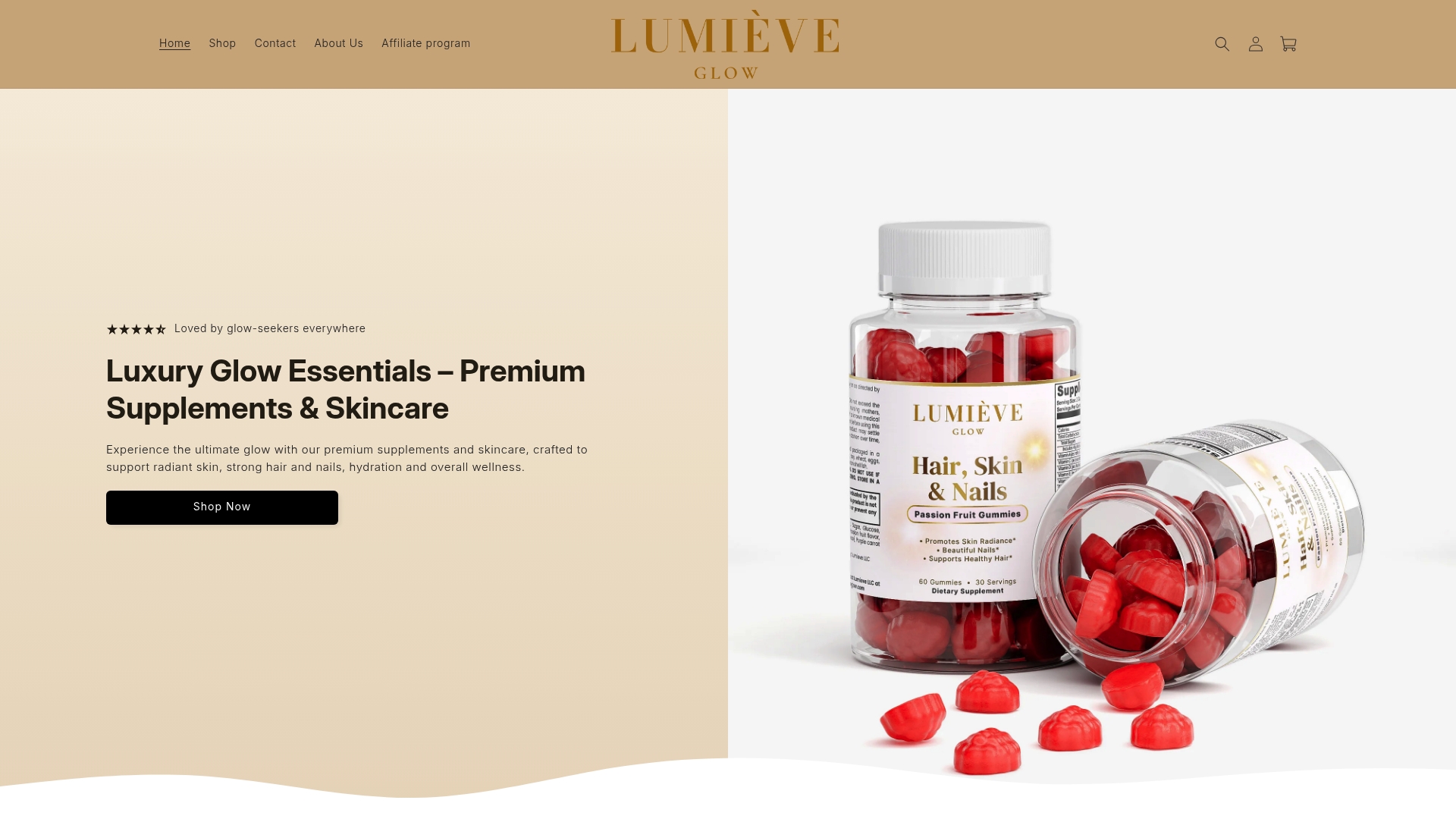
Start with our Beauty + Collagen Strips for a mess-free, travel-ready collagen dose you’ll actually stick to. Pair it with our Vitamin C Serum for topical and internal support working together. Or browse the full wellness supplements collection to find the right fit for your skin goals and lifestyle. Every product is lab-tested, clean-formulated, and designed to simplify your routine without sacrificing results.
Frequently asked questions
Do I need a multivitamin or just individual vitamins for beauty?
Most women benefit from a balanced multivitamin for overall health, but targeted vitamins like C, A, and collagen are best for specific beauty results. Multivitamins cover gaps in B vitamins, D, and biotin but rarely deliver clinical doses for visible skin changes.
How long does it take to see visible skin benefits from vitamins?
Collagen and Vitamin C typically show visible improvements in skin hydration and elasticity within 12 weeks of consistent use. 5g collagen daily for 12 to 24 weeks yields 23% better hydration and up to 12% improved elasticity in clinical trials.
Is there any risk to taking too much vitamin A or D?
Yes, excess Vitamin A or D can lead to toxicity, so follow daily intake recommendations and avoid high-dose supplements unless a doctor prescribes them. Excess Vitamin A risks toxicity because it accumulates in the liver over time.
Which vitamin is most important for women’s glowing skin?
Vitamin C stands out because it boosts collagen, improves hydration, and protects against aging and UV damage. Research confirms that Vitamin C supports collagen production, skin elasticity, and antioxidant defense simultaneously.
Do I need to take biotin separately if I’m already taking a multivitamin?
Usually not. Most multivitamins for women contain enough biotin unless you have a diagnosed deficiency. No strong evidence supports high-dose standalone biotin unless a deficiency is confirmed through lab testing.
Recommended
- Multivitamins for beauty: real results for skin, hair & nails – LUMIEVE
- Beauty-enhancing vitamins guide for radiant skin and hair – LUMIEVE
- Vitamins for glowing complexion: top 6 beauty picks – LUMIEVE
- Types of beauty supplements for vibrant skin, hair & nails – LUMIEVE
- Beauty Booster: Απόλυτος Οδηγός για τη Θεραπεία | B Woman
