

Collagen supplements are everywhere, and the promises are hard to ignore. Firmer skin, fewer fine lines, a dewy glow that looks years younger. But with so many brands competing for your attention, and studies that sometimes contradict each other, it’s easy to feel lost before you even open your first jar. The good news? The science on collagen for skin has matured enough to give real, useful answers. This article breaks down how collagen actually works in your skin, what research genuinely supports, where the gaps are, and exactly how to use it for the best possible results.
Table of Contents
- How does collagen work in skin?
- Top collagen benefits for skin, backed by research
- Limitations, myths, and the real deal on collagen
- Choosing and using collagen for the best skin results
- Expert perspective: Why collagen results aren’t one-size-fits-all
- Advanced skincare and collagen solutions for radiant skin
- Frequently asked questions
Key Takeaways
| Point | Details |
|---|---|
| Science-backed skin gains | Collagen can modestly improve hydration and elasticity for women using 2.5–5g daily for 8–12 weeks. |
| Results depend on quality | Not all collagen products are equal—form, dosage, and source matter for visible improvements. |
| Supplements need support | Collagen works best alongside proven skincare like sunscreen, retinoids, and vitamin C. |
| Set realistic expectations | Collagen is not a miracle cure for wrinkles but may help maintain youthful, glowing skin with consistent use. |
How does collagen work in skin?
Let’s start with how collagen actually impacts your skin, and why it matters.
Collagen is the most abundant structural protein in your body. Think of it as the scaffolding beneath your skin’s surface. It gives skin its firmness, bounce, and that plump, youthful texture you want to hold onto. As early as your mid-20s, your body starts producing less of it, roughly 1% less per year. By your 40s, that cumulative loss becomes visible: skin thins, fine lines settle in, and elasticity fades.
Oral collagen supplements, specifically hydrolyzed collagen peptides, are designed to work from the inside out. When you take them, the peptides are broken down in your digestive system and absorbed into your bloodstream. The theory is that these peptides act as signals, telling your skin’s fibroblast cells to ramp up collagen production. Fibroblasts are the specialized cells responsible for building and maintaining your skin’s connective tissue. When activated, they can improve hydration, skin density, and elasticity over time.
That said, collagen supplements show mixed evidence for improving skin hydration, elasticity, and reducing wrinkles. The mechanism is plausible, but not all studies agree on how significant the effect really is. Understanding how collagen affects skin at a biological level helps you set realistic expectations.
Here’s what we know about collagen’s role in skin:
- It makes up about 70-80% of your skin’s dry weight
- Type I and Type III collagen are most relevant for skin structure
- Hydrolyzed peptides have smaller molecular sizes, making absorption easier
- Fibroblast stimulation is the proposed key mechanism for oral supplements
- Results are cumulative, not immediate
For a broader look at nutrients that support skin from within, check out the top supplements for glowing skin or explore vitamin-enhanced skin support to understand how collagen fits into a bigger picture.
Pro Tip: Not all forms of collagen are equal. Look specifically for hydrolyzed collagen peptides with low molecular weight for the best absorption and bioavailability.
Top collagen benefits for skin, backed by research
Now that you know how collagen works, here’s what real studies show when it comes to women’s skin.
The most consistent findings across clinical research point to three main benefits: improved hydration, better elasticity, and increased skin density. These aren’t dramatic overnight changes, but they are measurable and meaningful for women who want to maintain a youthful appearance over time.
An umbrella review of 16 meta-analyses found consistent benefits for skin elasticity, hydration, and structural outcomes. This is significant because umbrella reviews look across multiple studies, giving a higher-level view of the evidence. The results aren’t perfect, but they’re encouraging.

On a more specific level, RCTs in women show improvements in hydration, elasticity, and dermal density with 5g per day of bioactive collagen peptides. Participants also noticed less skin roughness and a smoother overall texture after consistent use.
Here’s a quick summary of research-supported benefits:
- Hydration: One of the most reliably documented effects, with measurable improvements in skin moisture levels
- Elasticity: Skin bounces back better with consistent collagen use over 8 to 12 weeks
- Dermal density: Some studies show increased skin thickness and fullness
- Roughness reduction: Smoother texture reported by participants in several trials
- Structural support: Collagen may help slow the visible thinning that comes with age
Statistic to know: Studies using 5g per day of bioactive collagen peptides showed statistically significant improvements in skin hydration and elasticity, but results took 8 to 12 weeks of consistent daily use to become visible.
Collagen isn’t a miracle fix. It works best as part of a layered routine. Pairing it with vitamin C’s synergistic effects on collagen synthesis can amplify results, and daily SPF is non-negotiable. Browse beauty supplement picks to see how collagen stacks up alongside other proven options.
“Collagen supplementation may help maintain skin health over time, but it works best as part of a broader, consistent skincare and nutrition routine.”
Limitations, myths, and the real deal on collagen
But before you buy your next jar, it’s vital to know where the science still has question marks.
Collagen research has real limitations. Many studies are small, short-term, and funded by supplement companies. That last point matters more than most people realize. Established sources skeptical of collagen’s benefits note that limited large-scale RCTs exist, and some high-quality, non-industry-funded trials show no significant effect. That doesn’t mean collagen doesn’t work. It means you should be a smart consumer.
Another important nuance: benefits may be more pronounced for postmenopausal women, who experience sharper collagen decline, and less significant for younger women or men. Your age, hormonal status, diet, and genetics all influence how your body responds.
Common myths worth clearing up:
- Myth: Collagen erases deep wrinkles. Reality: It supports moisture and elasticity but won’t fill in established lines the way injectables or retinoids can.
- Myth: More collagen equals faster results. Reality: Higher doses don’t linearly improve outcomes; consistency at a moderate dose matters more.
- Myth: All collagen products are the same. Reality: Source, molecular weight, and processing method all affect how well your body uses it.
- Myth: You don’t need sunscreen if you take collagen. Reality: UV exposure is the single biggest driver of collagen breakdown. SPF is not optional.
No supplement replaces the fundamentals. Sunscreen, retinoids, and a nutrient-rich diet are still the backbone of any effective anti-aging routine. Collagen works best as a complement, not a replacement. For guidance on building a smart routine, explore creating a supplement plan that fits your specific goals.
Pro Tip: When evaluating a collagen study, check who funded it. Independent, peer-reviewed research without industry backing carries more weight than brand-sponsored trials.
Choosing and using collagen for the best skin results
Finally, with a clear view of the real benefits and limits, here’s how to get the most from collagen in your routine.
Not all collagen supplements are created equal, and the differences matter for your results. Here’s a breakdown of the most common types:
| Collagen source | Molecular weight | Primary benefit | Best for |
|---|---|---|---|
| Marine (fish) | Low | Skin hydration, elasticity | Women focused on skin |
| Bovine (cow) | Low to medium | Skin, joints, gut | Broad wellness goals |
| Chicken | Medium | Joint support | Less targeted for skin |
| Plant-based | N/A | Supports collagen production | Vegan diets |
Marine and bovine peptides with low molecular weight are considered optimal for skin outcomes. Individual response varies, so monitoring your own results over 8 to 12 weeks is the best way to assess what works for you.
The good news on safety: no major side effects have been reported in studies at doses between 1 and 10 grams per day. Most women do well starting at 2.5 to 5 grams daily.
How to start with collagen supplements safely:
- Choose a hydrolyzed peptide formula from a reputable brand with third-party testing
- Start with 2.5g per day and build to 5g if well-tolerated
- Take it consistently at the same time each day, ideally with a vitamin C source
- Track your skin’s hydration and texture every four weeks
- Give it a full 8 to 12 weeks before evaluating results
- Combine with SPF and a consistent topical routine for maximum effect
For a ready-to-use option, Beauty + Collagen Strips offer a convenient, targeted format. Pairing them with a Retinol Peptide Face Serum creates a strong inside-out approach that addresses collagen from both directions.
Pro Tip: Rotate collagen with other beauty nutrients like vitamin C and hyaluronic acid for a layered approach that covers hydration, synthesis support, and structural maintenance together.
Expert perspective: Why collagen results aren’t one-size-fits-all
With all the facts in hand, let’s zoom out and offer a personal perspective on making collagen work for you.
Here’s something most skin guides won’t tell you: the women who see the best results from collagen aren’t the ones who found the most expensive product. They’re the ones who treated it as one piece of a larger routine rather than a standalone solution. Genetics, gut health, stress levels, and sun exposure all influence how your body processes and uses collagen. Two women taking the same supplement at the same dose can have noticeably different outcomes.
What we’ve seen consistently is that blending collagen with retinoids, vitamin C, and daily SPF outperforms any single supplement on its own. The synergy is real. Collagen builds the foundation; topical actives work the surface. Together, they create visible, lasting change.
If you’re serious about results, explore multivitamin strategies that complement collagen as part of a complete beauty nutrition plan. Long-term, consistent, multi-factor routines are what actually deliver a youthful glow. Not one product. Not one week. A real commitment to your skin.
Advanced skincare and collagen solutions for radiant skin
Ready to take the next step? Here’s where you can find proven collagen and synergistic skincare options.
At Lumieve Glow, we’ve built our collections around exactly what the research supports: clean-sourced, lab-tested ingredients that work together for real skin results. Whether you’re starting with collagen or layering it into an existing routine, we have targeted options designed for women who want results, not just promises.
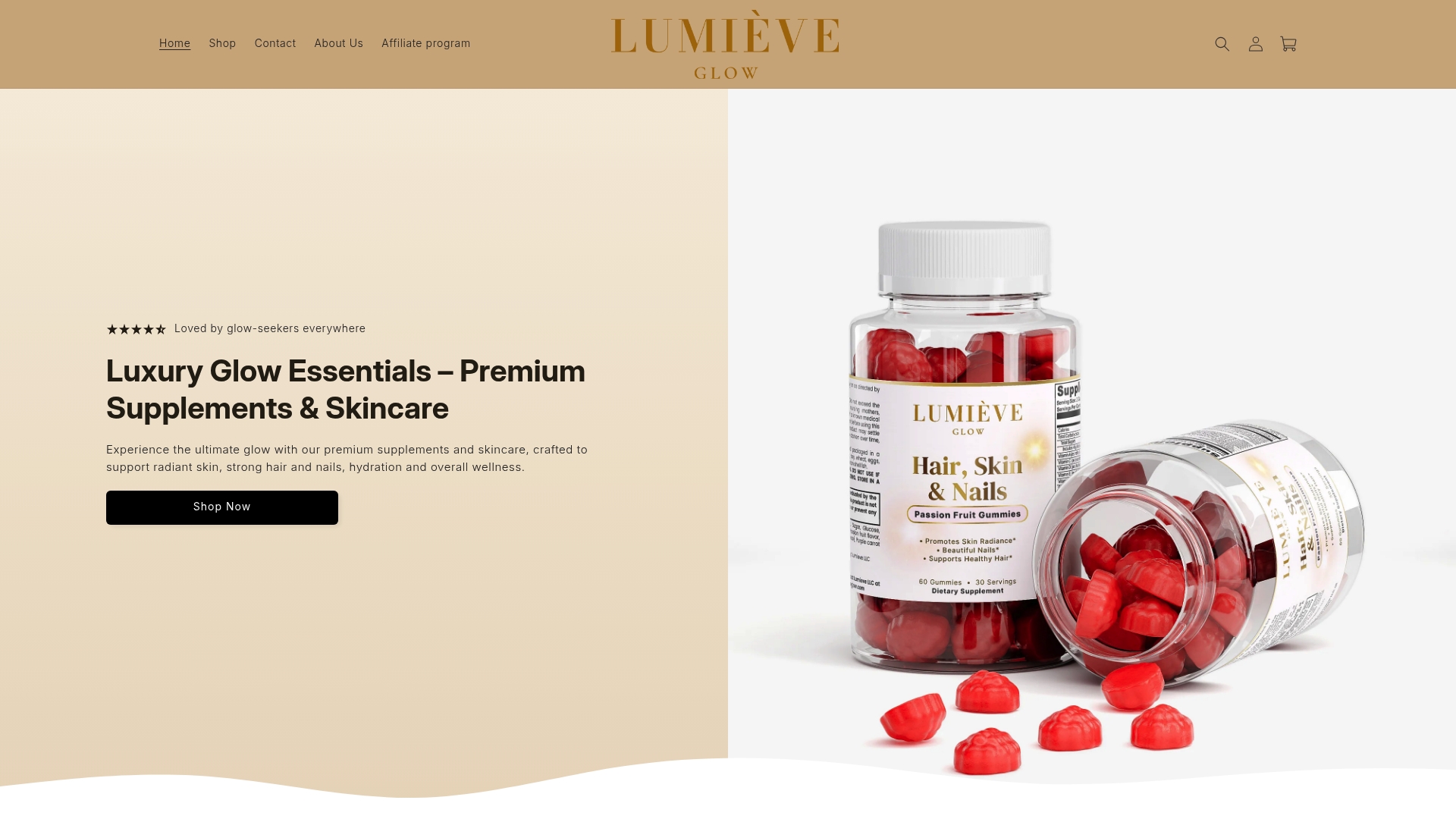
Explore our full range of beauty dietary supplements formulated to support skin from within, or browse our premium skincare serums for topical support that pairs beautifully with daily collagen use. For a simple starting point, our collagen strips make it easy to build the habit without the hassle. Your skin deserves a routine that actually works.
Frequently asked questions
How long does it take to see results from collagen for skin?
Most studies find visible changes in skin hydration and elasticity in 8 to 12 weeks with daily collagen use. RCTs in women show improvements at the 8-week mark with consistent 5g daily dosing.
Are collagen supplements safe for daily use?
Yes, collagen is generally considered safe at doses up to 10 grams per day. No major side effects have been reported in clinical studies across that dosage range.
Can collagen supplements replace topical skincare like vitamin C or retinoids?
No, supplements and topicals work on different levels and are most effective together. Established sources skeptical of collagen alone recommend combining it with proven topical treatments for meaningful results.
Is there a difference between marine, bovine, and plant-based collagen?
Marine and bovine collagen are both effective for skin; plant-based options don’t contain collagen but may support natural production. Marine and bovine peptides with low molecular weight are considered the best-studied options for skin-specific outcomes.
Will taking collagen erase wrinkles?
Collagen helps with hydration and elasticity but is unlikely to erase deep wrinkles on its own. Collagen may improve elasticity but is not a wrinkle cure-all, especially for established lines.
