

You’ve probably heard countless claims about vitamins transforming your skin overnight or promising miracle hair growth, but the truth is far more nuanced and practical. Understanding which vitamins genuinely enhance your natural beauty requires cutting through marketing noise and focusing on science-backed benefits. This guide clarifies the essential vitamins that support radiant skin, strong hair, and healthy nails, helping you make informed choices that complement your skincare routine. You’ll discover how to select premium supplements, integrate them effectively, and maximize results through smart combinations with topical treatments.
Table of Contents
- Key takeaways
- Understanding the role of beauty-enhancing vitamins
- Comparing key beauty vitamins: benefits and sources
- How to choose and use beauty-enhancing vitamin supplements effectively
- Integrating vitamins into your skincare and wellness routine
- Discover premium beauty supplements at LUMIEVE
- Frequently asked questions
Key Takeaways
| Point | Details |
|---|---|
| Vitamins support skin and hair | Different vitamins work through separate pathways to support collagen, hydration, and hair strength, so a mix of nutrients is more effective than relying on a single ingredient. |
| Choose vitamins by benefit | Identify which benefits you need, then select vitamins that target collagen production, skin protection, and hair integrity rather than relying on a single nutrient. |
| Complement routine with supplementation | Effective beauty supplementation works best when paired with a solid skincare routine and a healthy lifestyle. |
| Premium quality matters | High quality supplements with good bioavailability support better absorption and real world results. |
Understanding the role of beauty-enhancing vitamins
Your skin, hair, and nails constantly regenerate, requiring specific nutrients to maintain their structure and appearance. Vitamins support skin health by promoting collagen synthesis and providing antioxidant protection that counters environmental damage. Each vitamin operates through distinct pathways, which explains why comprehensive beauty supplementation requires multiple nutrients rather than relying on a single miracle ingredient.
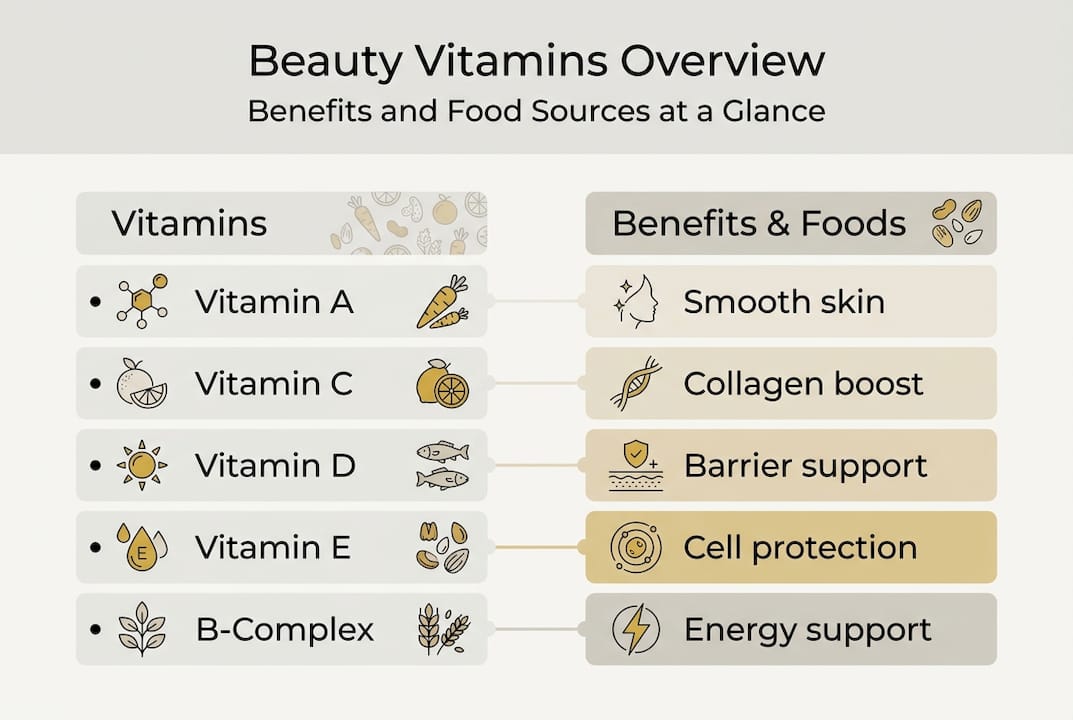
Vitamin A accelerates skin cell turnover, helping shed dull surface layers while promoting fresh, healthy cells underneath. This process reduces the appearance of fine lines and improves overall texture. Retinol, the active form of vitamin A, also regulates sebum production, making it valuable for both dry and acne-prone skin types.
Vitamin C serves as the cornerstone of collagen production, the protein that gives skin its firmness and elasticity. Beyond structural support, it brightens skin tone by inhibiting melanin production and neutralizing free radicals that cause premature aging. Your body cannot store vitamin C, making consistent daily intake essential for maintaining these benefits.
Vitamin E functions primarily as a protective shield, defending cell membranes from oxidative stress caused by UV exposure and pollution. It works synergistically with vitamin C, regenerating its antioxidant capacity and amplifying overall protective effects. This combination proves particularly effective for preventing photoaging and maintaining skin resilience.
Vitamin D influences over 200 genes in skin cells, supporting barrier function and immune responses that promote healing. Deficiency correlates with various skin conditions, including premature aging and inflammation. While sunlight triggers vitamin D synthesis, supplementation ensures adequate levels year-round, especially for those with limited sun exposure.
B-complex vitamins encompass eight distinct compounds that collectively support cellular energy production and protein synthesis. Biotin (B7) strengthens keratin infrastructure in hair and nails. Niacin (B3) improves skin barrier function and reduces water loss. Folate (B9) supports cell division necessary for hair growth. These vitamins rarely work in isolation; they function as an interconnected system where deficiency in one can impair the effectiveness of others.
Pro Tip: Rather than megadosing single vitamins, focus on balanced intake across all beauty-supporting nutrients. Your body processes vitamins more effectively when they’re present in complementary ratios, similar to how they occur naturally in whole foods.
The confusion about overlapping benefits stems from vitamins sharing some mechanisms while maintaining unique primary functions. For instance, both vitamins C and E provide antioxidant protection, but vitamin C specializes in collagen synthesis while vitamin E excels at membrane protection. Understanding these distinctions helps you build a targeted supplement regimen rather than randomly stacking products.
Comparing key beauty vitamins: benefits and sources
| Vitamin | Primary Beauty Benefits | Food Sources | Supplement Forms | Recommended Daily Intake |
|---|---|---|---|---|
| A | Cell renewal, texture improvement, sebum regulation | Sweet potatoes, carrots, spinach, liver | Retinyl palmitate, beta-carotene | 700-900 mcg RAE |
| C | Collagen synthesis, brightening, antioxidant protection | Citrus fruits, bell peppers, strawberries, broccoli | Ascorbic acid, sodium ascorbate | 75-90 mg |
| E | Membrane protection, UV defense, moisture retention | Almonds, sunflower seeds, avocado, wheat germ | Tocopherol, tocotrienol | 15 mg |
| D | Barrier function, immune support, cell growth regulation | Fatty fish, egg yolks, fortified dairy | D3 (cholecalciferol), D2 (ergocalciferol) | 600-800 IU |
| B7 (Biotin) | Keratin production, hair and nail strength | Eggs, nuts, whole grains, salmon | D-biotin | 30 mcg |
| B3 (Niacin) | Barrier improvement, inflammation reduction, hydration | Chicken, tuna, peanuts, mushrooms | Nicotinamide, nicotinic acid | 14-16 mg |
Food sources provide vitamins alongside cofactors that enhance absorption and utilization. A diet rich in colorful vegetables, quality proteins, and healthy fats delivers a foundation of beauty-supporting nutrients. However, modern agricultural practices, food processing, and storage methods can significantly reduce vitamin content in even fresh produce.
Supplement forms vary in bioavailability, the percentage your body actually absorbs and uses. Vitamin E as mixed tocopherols proves more effective than synthetic alpha-tocopherol alone. Vitamin D3 raises blood levels more efficiently than D2. Methylated B vitamins bypass genetic variations that impair standard forms. These distinctions matter when selecting glowing skin supplements designed for optimal results.

Recommended intake ranges represent minimums to prevent deficiency rather than optimal amounts for beauty enhancement. Therapeutic dosing often exceeds these baselines, particularly for addressing specific concerns like hair thinning or hyperpigmentation. However, fat-soluble vitamins (A, D, E) accumulate in tissues, making excessive intake potentially harmful.
Common deficiency signs manifest gradually, often dismissed as normal aging or stress effects:
- Vitamin A deficiency: rough, bumpy skin texture, slow wound healing, increased breakouts
- Vitamin C deficiency: easy bruising, slow healing, dull complexion, weakened hair
- Vitamin E deficiency: dry skin, increased sensitivity, premature fine lines
- Vitamin D deficiency: persistent skin issues, slow healing, thinning hair
- Biotin deficiency: brittle nails, hair loss, dry skin, fatigue
- Niacin deficiency: rough, inflamed skin, sensitivity to sun exposure
Balanced intake matters far more than megadosing individual vitamins. Excessive vitamin A causes dryness and irritation. Too much niacin triggers flushing and liver stress. High-dose biotin interferes with lab test accuracy. Your body maintains intricate nutrient relationships where excess of one can create functional deficiency of another.
How to choose and use beauty-enhancing vitamin supplements effectively
Navigating the supplement market requires discernment, as quality varies dramatically between brands. Premium formulations use bioavailable forms, appropriate dosing, and complementary ingredient combinations that maximize absorption. Transparent companies provide third-party testing results, clearly list all ingredients including inactive ones, and avoid proprietary blends that hide actual amounts.
When evaluating beauty supplements for hair and nails, look for formulations addressing multiple beauty concerns simultaneously. Comprehensive blends typically include vitamins A, C, E, D, and B-complex alongside minerals like zinc and selenium that activate vitamin-dependent enzymes. This approach proves more effective and convenient than managing multiple single-nutrient bottles.
Supplement labels reveal crucial information beyond basic nutrient content. Check serving sizes carefully, as some brands split daily doses across multiple pills to make per-serving amounts appear higher. Verify expiration dates, as vitamins degrade over time, particularly when exposed to heat or light. Note allergen warnings if you have sensitivities to common fillers like soy, dairy, or gluten.
Combining oral supplements with topical products creates synergistic effects that amplify results. Internal vitamin C supports collagen production throughout your body, while topical vitamin C serums deliver concentrated doses directly to facial skin. Similarly, oral vitamin A supports cell turnover systemically, while retinol serums target specific concerns like fine lines or dark spots with precision.
Timing influences vitamin absorption and effectiveness:
- Fat-soluble vitamins (A, D, E) absorb best with meals containing healthy fats
- Vitamin C absorbs well any time but may cause stomach upset on an empty stomach
- B vitamins energize metabolism, making morning intake ideal for most people
- Consistency matters more than perfect timing; establish a routine you’ll maintain daily
Pro Tip: Take progress photos in consistent lighting every four weeks to objectively track changes. Your daily mirror view makes gradual improvements hard to notice, but side-by-side comparisons reveal genuine progress that motivates continued consistency.
Common supplementation pitfalls undermine results and waste money. Over-supplementing creates expensive urine while potentially causing side effects. Ignoring underlying health issues like thyroid dysfunction or digestive problems prevents proper nutrient absorption regardless of intake. Expecting overnight results leads to premature abandonment of effective regimens. Choosing supplements based solely on price often means inferior forms that your body cannot utilize effectively.
Quality supplements improve absorption through thoughtful formulation. Vitamin C with bioflavonoids enhances stability and uptake. Vitamin E as mixed tocopherols provides broader antioxidant coverage. Chelated minerals attach to amino acids for superior absorption. These refinements distinguish premium products from basic drugstore options, justifying higher costs through measurably better outcomes.
Integrating vitamins into your skincare and wellness routine
Building an effective beauty routine requires coordinating supplements, topical treatments, and lifestyle habits into a cohesive system. Combining oral vitamins with serums and healthy lifestyle choices creates the most noticeable, lasting skin improvements. This integrated approach addresses beauty from multiple angles simultaneously, producing results that isolated interventions cannot match.
A simple daily routine demonstrates practical integration. Morning begins with B-complex and vitamin C supplements alongside breakfast containing healthy fats. After cleansing, apply a vitamin C serum to brighten and protect throughout the day. Evening routine includes vitamins A, D, and E with dinner, followed by cleansing and a retinol peptide face serum to support overnight renewal. This pattern maintains consistent nutrient delivery while layering complementary treatments.
| Approach | Advantages | Limitations | Best For |
|---|---|---|---|
| Oral Supplements | Systemic benefits for skin, hair, nails; convenient; supports internal health | Results take longer; cannot target specific facial areas | Overall beauty enhancement, addressing deficiencies, supporting body-wide improvements |
| Topical Serums | Concentrated delivery to specific areas; faster visible results; precise targeting | Limited to surface and upper skin layers; requires consistent application | Targeting facial concerns, complementing internal support, addressing specific issues |
| Combined Approach | Maximizes benefits of both methods; addresses beauty internally and externally | Requires commitment to multiple products; higher initial investment | Optimal results, comprehensive beauty enhancement, long-term skin health |
Hydration and diet optimization amplify vitamin effectiveness dramatically. Water facilitates nutrient transport, toxin elimination, and cellular function. Aim for half your body weight in ounces daily, adjusting for activity level and climate. Dietary protein provides amino acids necessary for collagen synthesis and keratin production. Healthy fats from fish, avocados, and nuts enhance absorption of fat-soluble vitamins while supporting skin barrier integrity.
Building your personalized beauty-enhancing routine:
- Assess your current state by identifying specific concerns like dullness, thinning hair, or brittle nails
- Choose a high-quality multivitamin or beauty-specific supplement blend as your foundation
- Add targeted single nutrients if you have confirmed deficiencies or specific goals
- Select complementary topical products that address your primary facial concerns
- Establish consistent morning and evening routines that you can maintain long-term
- Track your progress through photos, notes, or a simple journal to identify what works
- Adjust your regimen every 8-12 weeks based on results and changing needs
Monitoring skin response helps optimize your routine over time. Positive signs include improved texture, enhanced radiance, reduced breakouts, and stronger hair and nails. Negative reactions like increased sensitivity, breakouts, or irritation signal the need for adjustment. Sometimes this means reducing dosage, switching vitamin forms, or addressing underlying issues affecting absorption.
Seasonal adjustments maintain effectiveness year-round. Winter often requires increased vitamin D supplementation due to reduced sun exposure. Summer may call for higher antioxidant intake to counter increased UV exposure. Hormonal fluctuations during menstrual cycles can temporarily increase needs for certain B vitamins and iron. Listening to your body and adapting accordingly prevents plateaus and maintains steady progress.
Discover premium beauty supplements at LUMIEVE
Your journey toward radiant skin, lustrous hair, and strong nails deserves products formulated with the same care and precision detailed throughout this guide. LUMIEVE offers a curated selection of premium dietary supplements designed to enhance beauty from within, using bioavailable forms and science-backed combinations that deliver genuine results.
Complement your internal supplementation with advanced topical solutions that target specific concerns with clinical precision. The vitamin C serum brightens and protects while supporting collagen synthesis for firmer, more youthful skin. Pair it with the retinol peptide serum to accelerate cell renewal and smooth fine lines while you sleep. Together, these formulations create a comprehensive approach that addresses beauty both internally and externally, simplifying your routine while maximizing effectiveness.
Frequently asked questions
What are the best vitamins for improving hair growth?
Biotin, vitamin D, and B-complex vitamins are essential for hair growth and strength, supporting keratin production and follicle health. Vitamin E improves scalp circulation, while vitamin A regulates sebum production for optimal follicle function. Combining these supplements with adequate protein intake, scalp massage, and stress management produces the most noticeable improvements in hair thickness and growth rate over 8-12 weeks.
Can vitamins replace topical skincare products?
Vitamins and topical products serve complementary rather than interchangeable roles in comprehensive beauty care. Oral supplements support systemic health and provide nutrients for skin, hair, and nails throughout your body. Topical treatments deliver concentrated active ingredients directly to facial skin, addressing specific concerns with precision that internal supplementation cannot match. Optimal results require integrating both approaches, as they work through different mechanisms that enhance each other.
How long does it take to see results from beauty vitamins?
Visible improvements typically appear within 4-12 weeks of consistent supplementation, depending on the specific vitamin, your baseline nutrient status, and individual metabolism. Skin cell turnover occurs approximately every 28 days, meaning at least one full cycle must complete before changes become apparent. Hair and nail growth progresses more slowly, requiring 8-12 weeks for noticeable strengthening and improved appearance. Consistent daily intake, adequate hydration, quality sleep, and stress management accelerate results and ensure they persist long-term.
Are there any risks associated with taking beauty vitamins?
Fat-soluble vitamins (A, D, E) accumulate in body tissues, making excessive intake potentially toxic over time. Symptoms include nausea, headaches, and in severe cases, organ damage. Water-soluble vitamins like C and B-complex pose lower toxicity risk since excess typically excretes through urine, though very high doses can cause digestive upset. Always follow recommended dosages, choose reputable brands with third-party testing, and consult healthcare providers before starting new supplements, especially if you take medications or have existing health conditions.
Should I take individual vitamins or a multivitamin for beauty benefits?
A comprehensive beauty-focused multivitamin provides balanced ratios of essential nutrients, simplifying your routine while ensuring complementary vitamins work together effectively. This approach proves ideal for addressing general beauty enhancement and preventing deficiencies. Add targeted individual vitamins only if you have confirmed deficiencies through testing or specific concerns requiring therapeutic doses beyond multivitamin levels. This strategy prevents over-supplementation while ensuring you receive adequate amounts of all beauty-supporting nutrients without managing numerous separate bottles.
