

TL;DR:
- Using the right ingredients consistently is key to achieving glowing, even-toned skin.
- Niacinamide, vitamin C, glycolic acid, retinoids, and SPF are backed by clinical research for radiance.
- Proper layering, compatibility, and patience optimize results and support long-term skin health.
The skincare aisle is overwhelming. Hundreds of products promise a natural, radiant glow, yet most women walk away frustrated when results fall flat after weeks of faithful use. The truth is, glowing skin is not about using more products. It is about using the right ingredients, in the right order, consistently. Science-backed formulations outperform trendy serums every single time. This guide cuts through the noise and walks you through the six essential ingredients that dermatologists and clinical researchers agree deliver real, lasting luminosity for women who want visible results without guesswork.
Table of Contents
- How to identify essential ingredients for radiant skin
- Niacinamide: The multitasking strengthener
- Vitamin C: The brightening antioxidant
- Glycolic acid: Transforming texture and tone
- Retinoids and sunscreen: The radiance protectors
- Our perspective: Beyond trends—how ingredient synergy unlocks lasting glow
- Premium serums and supplements for your glow journey
- Frequently asked questions
Key Takeaways
| Point | Details |
|---|---|
| Choose proven ingredients | Niacinamide, vitamin C, glycolic acid, retinoids, and SPF have robust clinical support for boosting skin radiance. |
| Layer products for synergy | The right order—niacinamide, vitamin C, then SPF—can greatly enhance results and protect skin health. |
| Personalize your routine | Adapt ingredient strengths and combinations to your unique skin needs for maximum glow with minimal irritation. |
| Daily sunscreen is essential | SPF 30+ shields against sun damage, pigmentation, and fading of your radiance gains. |
How to identify essential ingredients for radiant skin
Before revealing the key players, it is critical to know how to judge what truly works. Not every ingredient that sounds impressive on a label has the clinical data to back it up. When building a glow-focused routine, prioritize ingredients with proven dermatological support, not just marketing claims.
Effective ingredients should deliver visible improvements in brightness, even tone, and smoothness within a few weeks of consistent use. Beyond individual performance, layering order and ingredient compatibility matter just as much as the actives themselves. Applying ingredients in the wrong sequence can cancel out their benefits or, worse, irritate your skin barrier.
Here is what to look for when evaluating any skincare ingredient:
- Clinical backing: Published studies or randomized controlled trials (RCTs) supporting the ingredient’s claims
- Visible results timeline: Realistic improvements within 4 to 12 weeks
- Compatibility: Works well with other actives in your routine
- Safety profile: Suitable for daily use without long-term risks
- Daily essentials: Ingredients like niacinamide and broad-spectrum sunscreen00612-7/abstract) (SPF 30+) are essential daily to prevent UV-induced dullness, pigmentation, and aging
For a deeper look at building a routine that actually works, explore these simple routines for radiance that pair well-researched actives for maximum effect. The foundation of any glowing skin routine starts with understanding science-backed skincare principles before adding products.
Pro Tip: Introduce one new active ingredient at a time and patch test on your inner arm for 24 hours before applying it to your face. This protects your skin barrier and helps you identify exactly what works for your unique skin.
Niacinamide: The multitasking strengthener
With criteria established, let us start with a powerhouse multitasker. Niacinamide (vitamin B3) is arguably the most versatile ingredient in modern skincare, and its clinical record is exceptional.
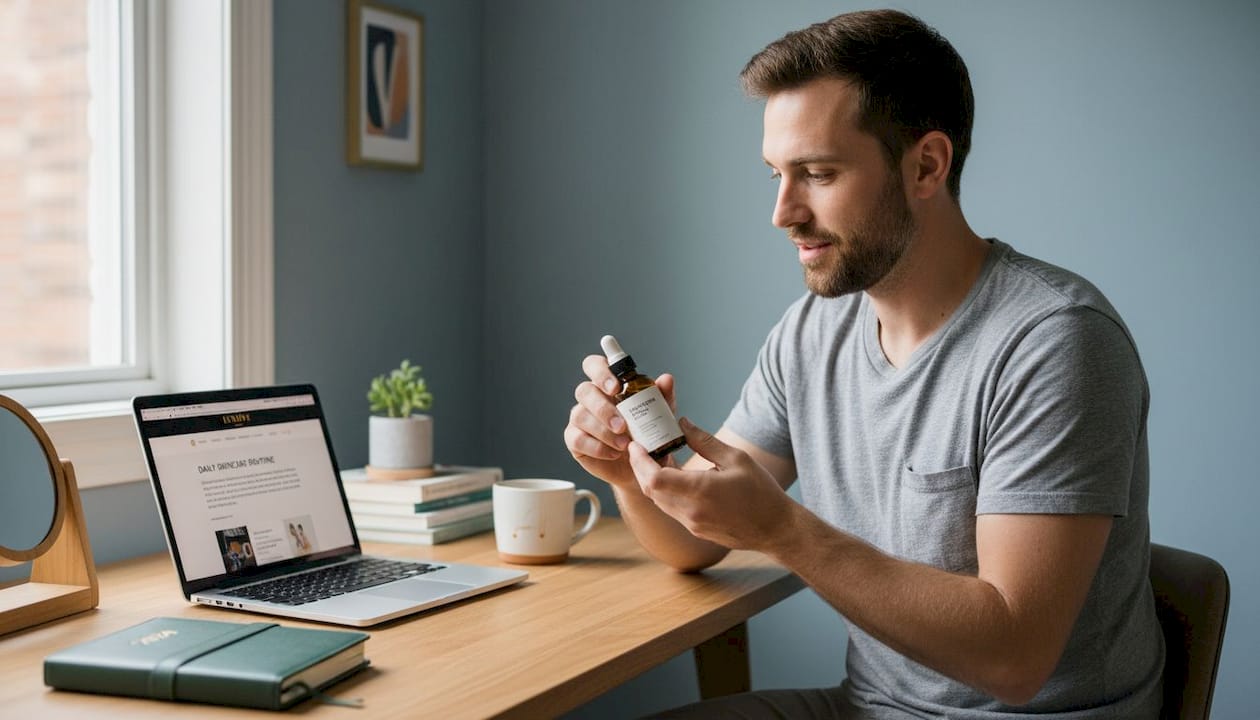
Niacinamide at 2-5% strengthens the skin barrier, reduces inflammation and redness, minimizes pores, regulates sebum, improves hyperpigmentation, and enhances brightness and elasticity. That is a remarkable range of benefits from a single, affordable ingredient. It suits almost every skin type, including sensitive and acne-prone skin.
Here is what niacinamide does for your glow:
- Barrier repair: Boosts ceramide production to lock in moisture and reduce sensitivity
- Pore minimizing: Visibly tightens enlarged pores with consistent use
- Oil control: Regulates sebum without stripping the skin
- Pigmentation fading: Inhibits melanin transfer for a more even complexion
- Elasticity boost: Supports collagen synthesis for firmer, smoother texture
Clinical data confirms that 5% niacinamide improves texture and tone in 8 to 12 weeks. That is a realistic, evidence-based timeline you can actually plan around. Niacinamide pairs beautifully with vitamin C, retinol, and most other actives. Apply it right after cleansing for best absorption.
“Consistent use of niacinamide at 4-5% yields visible returns in clarity and smoothness by month three.”
For more on how niacinamide fits into beauty routines, or how B vitamins support skin vitality from the inside out, these resources are worth bookmarking. The dermatology consensus00612-7/abstract) on niacinamide continues to strengthen with each new study.
Vitamin C: The brightening antioxidant
Building on barrier enhancement, the right antioxidant can magnify radiance significantly. Vitamin C is the gold standard brightening ingredient, and for good reason. It neutralizes free radicals generated by UV exposure and pollution, which are the primary culprits behind dullness and uneven tone.
Vitamin C reduces pigmentation in clinical trials, making it one of the most well-supported topical ingredients for luminosity. But not all vitamin C is created equal. Pure ascorbic acid (L-ascorbic acid) is the most potent form but also the least stable. It oxidizes quickly when exposed to light and air, turning orange and losing effectiveness.
Here is how to choose and use vitamin C wisely:
- Best forms: L-ascorbic acid (10-20%) for maximum potency, or ascorbyl glucoside for better stability and less irritation
- Optimal pH: Ascorbic acid works best at pH 3.5 or below
- Morning use: Apply after niacinamide in your AM routine to amplify glow and antioxidant protection
- Layering: Always follow with moisturizer and broad-spectrum SPF00612-7/abstract) for maximum benefit
- Synergy: Pairs exceptionally well with vitamin E and ferulic acid for enhanced stability
For a full breakdown of vitamin C serum benefits and how to choose the right concentration for your skin type, that resource covers everything you need.
Pro Tip: Store your vitamin C serum in a cool, dark drawer or cabinet, away from sunlight and humidity. Heat and light accelerate oxidation, cutting the effective lifespan of your serum in half.
Glycolic acid: Transforming texture and tone
Once antioxidants are in place, regular renewal is next for achieving true luminosity. Glycolic acid is an alpha hydroxy acid (AHA) derived from sugarcane. It works by dissolving the bonds between dead skin cells on the surface, revealing the fresher, brighter skin underneath.
Glycolic acid exfoliates dead cells, improves texture, reduces hyperpigmentation and roughness, and stimulates collagen. At 5 to 8%, it is highly effective for addressing photodamage and dullness without requiring a prescription. RCTs show glycolic peels outperform placebo for acne and texture improvements, making it a clinically validated choice for women seeking smoother, more radiant skin.
Here is the step-by-step application for best results:
- Cleanse your face thoroughly and pat dry
- Apply glycolic acid to clean skin, avoiding the eye area
- Wait 10 to 15 minutes before layering other products
- Moisturize to restore hydration after exfoliation
- Apply SPF every morning after glycolic use, without exception
Overuse is the most common mistake. Two to three times per week is enough for most skin types. More frequent use increases sun sensitivity and can compromise your barrier. For guidance on hydrating after exfoliation and pairing glycolic with your broader supplemental glow routines, those resources offer practical next steps. If you have sensitive skin, check glycolic acid guidance for sensitive skin before starting.
Retinoids and sunscreen: The radiance protectors
Optimizing skin texture calls for protection and repair to ensure your glow lasts long-term. Retinoids and sunscreen are the two most clinically supported tools for sustained skin improvement, and they work best when used together as a system.
Retinoids are the gold standard for cell turnover. They accelerate the shedding of dull surface cells, fade dark spots, smooth fine lines, and help clear post-acne marks. Sunscreen (SPF 30+) maintains even tone and prevents the UV damage that undoes all your hard work.
| Feature | Retinoids | Sunscreen (SPF 30+) |
|---|---|---|
| Primary effect | Cell renewal, collagen boost | UV protection, pigmentation prevention |
| Best use time | Evening only | Every morning, rain or shine |
| Key precaution | Avoid during pregnancy | Reapply every 2 hours outdoors |
| Results timeline | 8 to 16 weeks | Immediate and cumulative |
| Skin type note | Start low, increase slowly | Suitable for all skin types |
Key usage rules to follow:
- Use retinoids 2 to 3 nights per week when starting out, then increase frequency gradually
- Always apply retinoids to dry skin to reduce irritation
- Daily SPF use slows visible aging by up to 24%, a finding backed by long-term empirical studies
- Skip retinoids entirely if you are pregnant or breastfeeding; opt for pregnancy-safe alternatives instead
- Pair both with boosting results with supplements for an inside-out approach to lasting radiance
Our perspective: Beyond trends—how ingredient synergy unlocks lasting glow
Most beauty articles hand you a list of ingredients and leave you to figure out the rest. What they rarely address is the how: the sequence, the compatibility, and the patience required to see real results.
At Lumieve Glow, we believe radiance is not about chasing the newest active. It is about mastering a small number of proven ingredients and layering them intelligently. A morning routine that goes niacinamide, vitamin C, then SPF is not complicated. It is strategic. That sequence maximizes barrier support, antioxidant protection, and UV defense simultaneously.
Fad actives come and go. Retinoids, niacinamide, vitamin C, and SPF have decades of clinical data behind them. No trending ingredient has yet matched that track record. The uncomfortable truth is that most women do not need more products. They need better sequencing with fewer, more compatible ones.
Respecting your skin’s unique needs, whether that means avoiding retinoids during pregnancy, choosing gentler exfoliants for sensitivity, or focusing on barrier repair before adding actives, is what separates real results from endless trial and error. Explore how phytonutrient synergy can further amplify these results from within.
Pro Tip: The real differentiator is ingredient compatibility. Introduce one active at a time, confirm your skin tolerates it, then layer strategically for a personalized, visible glow that actually lasts.
Premium serums and supplements for your glow journey
If you are ready to build a results-driven, radiant routine, here is where to start. The ingredients covered in this guide are not just theoretical. They are the foundation of every product in the Lumieve Glow collection, formulated for maximum synergy and real, visible results.
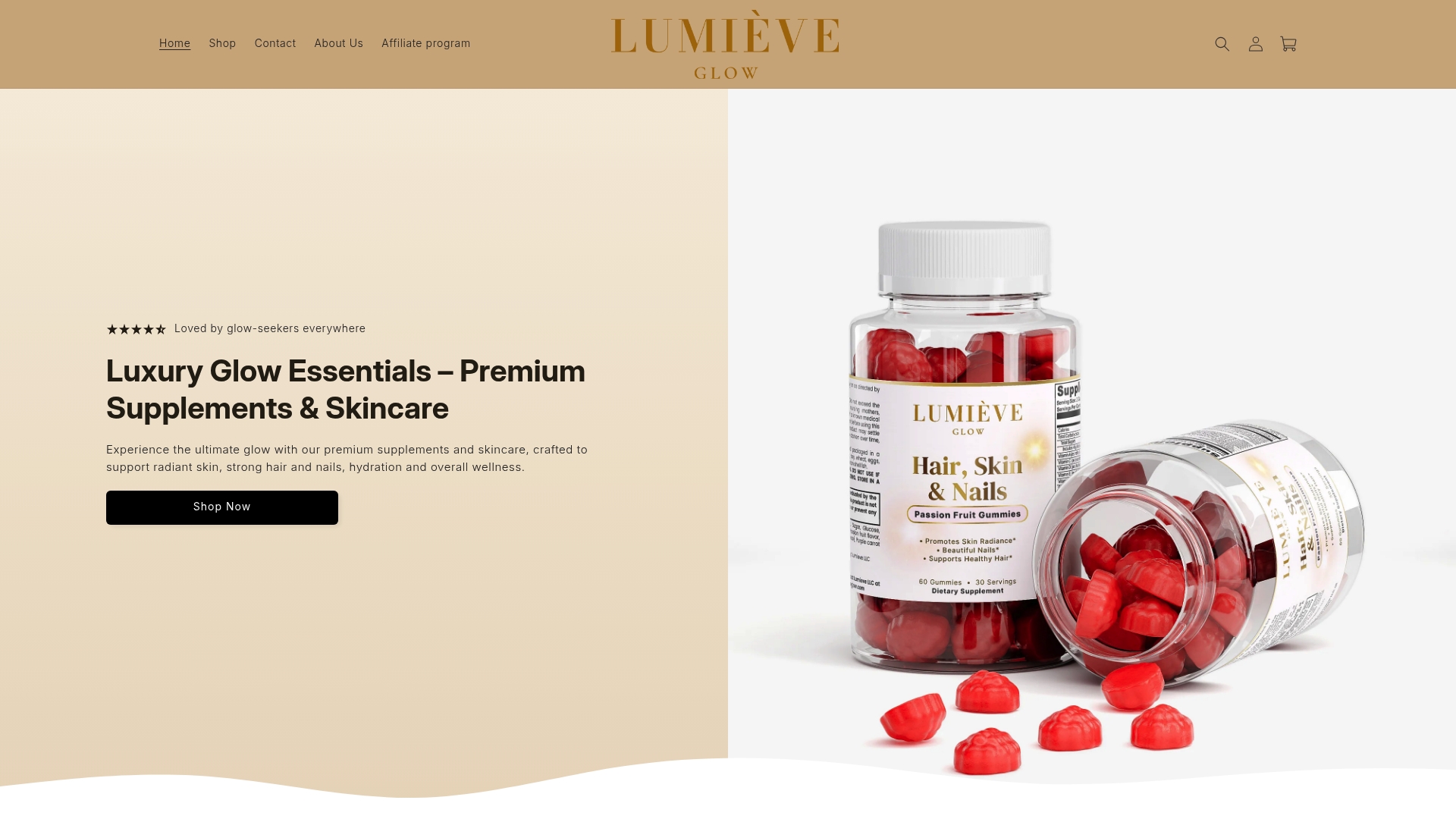
Our premium skincare serums are crafted with stable vitamin C, niacinamide, peptides, and gentle retinoids, each chosen for clinical effectiveness and compatibility. If you want a focused starting point, our Vitamin C serum delivers a potent, stabilized dose of brightening antioxidants designed to work seamlessly alongside the other essentials in your routine. Every product is lab-tested and formulated to simplify your path to lasting luminosity.
Frequently asked questions
Can I use niacinamide and vitamin C together for glowing skin?
Yes, layering niacinamide before vitamin C boosts their combined brightening and barrier benefits. Applying niacinamide first00612-7/abstract) ensures compatibility and prepares the skin for maximum vitamin C absorption.
What sunscreen should I use for daily glow protection?
Broad-spectrum SPF 30+00612-7/abstract) is recommended daily to prevent dullness, pigmentation, and premature aging. Look for lightweight, non-comedogenic formulas that layer well under makeup.
Is glycolic acid safe for sensitive skin?
Low-dose glycolic may work for some, but lactic acid or niacinamide are gentler alternatives for reactive skin types. Always patch test first and start with the lowest available concentration.
Which ingredients should I avoid during pregnancy?
Avoid retinoids entirely during pregnancy. Niacinamide, vitamin C, and sunscreen are considered pregnancy-safe and can maintain your glow routine without risk.
