

You might believe that popping a biotin pill will magically reverse thinning hair, but the reality is far more nuanced. Most women experience hair concerns rooted in undiagnosed nutrient deficiencies, hormonal imbalances, or inflammatory processes that generic supplements simply can’t address. Understanding which nutrients your body actually lacks and how targeted botanical formulations work at the follicle level transforms supplementation from guesswork into a science-backed strategy. This guide reveals how to identify your specific deficiencies, choose multi-target botanicals that reduce shedding and boost density, and integrate supplements safely into your hair care routine for genuinely radiant results.
Table of Contents
- Key takeaways
- The role of nutrient deficiencies in hair growth
- How multi-target botanical supplements promote hair density and reduce shedding
- Clinical evidence for supplement effectiveness in women aged 20-45
- Safety considerations and best practices for supplement use
- Explore Lumieve’s beauty supplements for hair growth
- FAQ
Key Takeaways
| Point | Details |
|---|---|
| Test nutrient levels | Test ferritin, vitamin D, zinc, and B12 before starting any supplement to address actual deficiencies. |
| Address specific deficiencies | Correcting iron, vitamin D, zinc, and B12 deficiencies supports follicle function and helps prevent shedding. |
| Multi target botanicals | Multi target botanicals help reduce shedding and increase density by supporting several follicle processes. |
| Adjunct not sole solution | Use supplements as an adjunct to diet and scalp care rather than as the sole solution. |
The role of nutrient deficiencies in hair growth
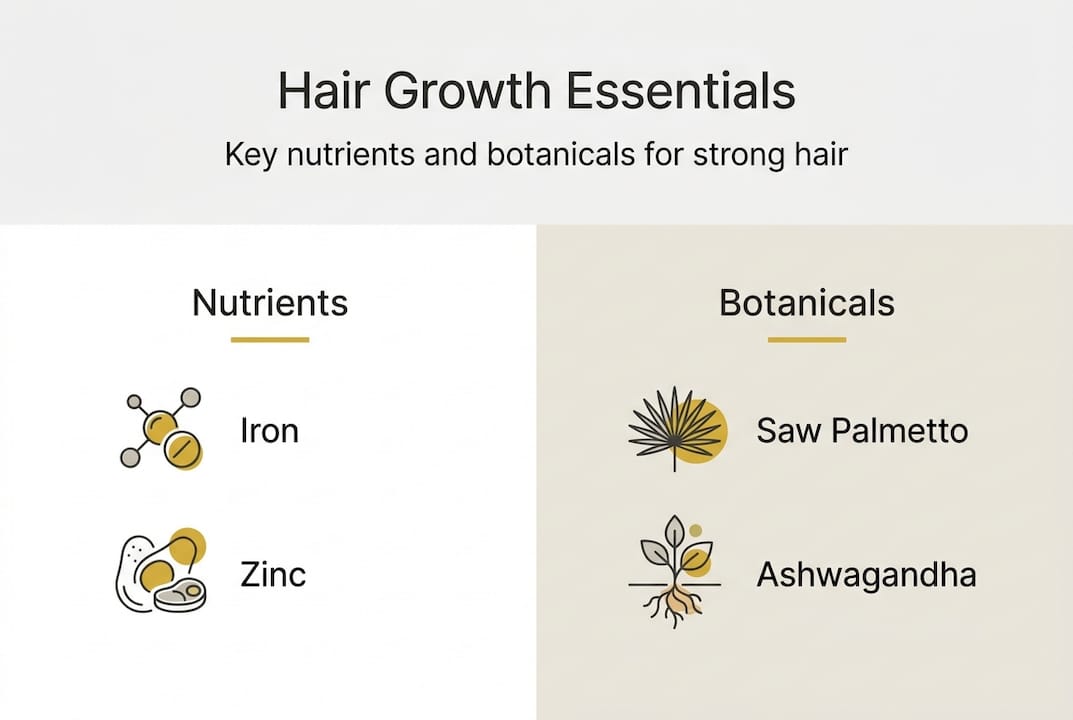
Your hair follicles depend on a complex interplay of vitamins and minerals to maintain their growth cycle. When you lack specific nutrients, follicles can’t produce strong keratin fibers or sustain the anagen (growth) phase long enough to achieve healthy length and density. Supplements support hair growth by addressing deficiencies like iron, vitamin D, zinc, and B12, which impair follicle function and cause telogen effluvium.
Iron deficiency, particularly when ferritin levels drop below 30 ng/mL, is one of the most common culprits behind hair thinning in premenopausal women. Ferritin stores iron in your body, and when reserves run low, your system prioritizes vital organs over hair follicles. This triggers premature shedding and weakens new growth. Similarly, vitamin D levels below 30 ng/mL correlate with increased hair loss because vitamin D receptors play a crucial role in follicle cycling and keratinocyte differentiation.
Zinc and vitamin B12 also support critical enzymatic processes within follicles. Zinc deficiency disrupts protein synthesis and cell division, leading to brittle hair and slow regrowth. B12 supports red blood cell formation, ensuring oxygen delivery to follicles. Without adequate B12, follicles become starved for oxygen and nutrients, resulting in thinning and breakage.
Telogen effluvium, a condition where excessive hair enters the resting phase and sheds, often stems from sudden nutrient shortages. Stressors like restrictive diets, heavy menstrual periods, or malabsorption issues can deplete your nutrient stores rapidly. When you correct these deficiencies through targeted supplementation, you restore the follicle’s ability to cycle normally, reducing shedding and promoting healthier regrowth.
Testing before supplementing is non-negotiable. A simple blood panel measuring ferritin, vitamin D, zinc, and B12 reveals exactly where you stand. This prevents you from taking unnecessary supplements that won’t address your specific hair concerns and helps you avoid potential side effects from excessive intake.
Pro Tip: Ask your doctor to test ferritin specifically, not just hemoglobin. Ferritin levels below 30 ng/mL can cause hair loss even when hemoglobin appears normal, so standard anemia tests might miss the issue.
Key nutrients to test before supplementing:
- Ferritin (aim for at least 30 ng/mL)
- Vitamin D (target 30-50 ng/mL)
- Zinc (optimal range varies by lab)
- Vitamin B12 (especially if you follow a plant-based diet)
Exploring beauty supplements for hair and nails can help you understand which formulations address these specific deficiencies effectively.
How multi-target botanical supplements promote hair density and reduce shedding
While correcting nutrient deficiencies lays the foundation for healthy hair, botanical supplements take a different approach by targeting hormonal and inflammatory pathways that contribute to hair loss. Multi-target botanicals inhibit 5α-reductase to reduce DHT, provide antioxidants, reduce inflammation, and improve hair density by 0.59-0.90 hairs/cm² vs placebo.
Dihydrotestosterone (DHT) is a hormone that binds to follicle receptors and causes miniaturization, shrinking hair strands over time until they become too fine to emerge from the scalp. Botanicals like saw palmetto and pumpkin seed oil inhibit the enzyme 5α-reductase, which converts testosterone into DHT. By lowering DHT levels around follicles, these ingredients reduce the hormonal assault that leads to thinning, particularly in women with androgen sensitivity.

Oxidative stress and chronic inflammation also damage follicles at the cellular level. Free radicals generated by UV exposure, pollution, and metabolic processes attack follicle cells, impairing their ability to produce strong hair fibers. Tocotrienols (a form of vitamin E) and other antioxidant-rich botanicals neutralize free radicals, protecting follicles from oxidative damage. Meanwhile, anti-inflammatory compounds in botanicals soothe the scalp environment, creating conditions that favor healthy follicle function.
Nutrafol, a clinically studied botanical blend, combines saw palmetto, ashwagandha, curcumin, and marine collagen to address multiple hair loss pathways simultaneously. Clinical trials demonstrate that women using Nutrafol experience measurable improvements in hair density, with increases ranging from 0.59 to 0.90 hairs per square centimeter compared to placebo groups. These results become visible after consistent use over several months, as follicles gradually shift back into active growth phases.
| Botanical ingredient | Primary mechanism | Expected benefit |
|---|---|---|
| Saw palmetto | Inhibits 5α-reductase | Reduces DHT-related thinning |
| Pumpkin seed oil | Blocks DHT binding | Supports follicle health |
| Tocotrienols | Antioxidant protection | Reduces oxidative damage |
| Curcumin | Anti-inflammatory | Calms scalp inflammation |
| Ashwagandha | Stress hormone regulation | Lowers cortisol-related shedding |
Pro Tip: Look for supplements that combine multiple botanicals rather than single-ingredient pills. Multi-target formulas address the complex, overlapping causes of hair loss more effectively than isolated nutrients.
Botanical advantages over single-nutrient supplements:
- Target hormonal pathways that vitamins alone can’t address
- Provide antioxidant and anti-inflammatory benefits simultaneously
- Support follicle health through multiple mechanisms
- Backed by clinical trials showing measurable density improvements
Products like hair skin and nails strips often incorporate botanical blends alongside essential nutrients, offering a comprehensive approach to hair support.
Clinical evidence for supplement effectiveness in women aged 20-45
Skepticism about hair supplements is understandable given the crowded market filled with unproven claims. However, rigorous clinical trials provide concrete evidence that targeted formulations deliver measurable improvements in hair health for premenopausal women. Nutrafol Women’s formulas significantly increase hair fiber diameter, density, and growth after 6 months.
In controlled studies, women taking Nutrafol’s botanical blends showed statistically significant increases in hair fiber diameter, meaning individual strands became thicker and more resilient. Hair density measurements, taken via phototrichogram analysis, revealed more hairs per square centimeter of scalp compared to baseline and placebo groups. These improvements weren’t subjective; they were quantified using standardized imaging and counting techniques.
Another study examining drinkable hair growth supplements found that drinkable supplements reduce shedding and increase anagen follicles in telogen effluvium. Women experiencing excessive shedding due to telogen effluvium saw a reduction in daily hair loss and an increase in the percentage of follicles actively growing hair. This shift from resting to growing phases is critical for reversing thinning and restoring volume.
The timeline for visible results is consistent across studies: most participants notice improvements after 4 to 6 months of daily use. This delay reflects the hair growth cycle itself. Follicles need time to transition from resting to active phases, and new hairs must grow long enough to become noticeable. Patience and adherence to the supplement regimen are essential for achieving the outcomes documented in clinical trials.
Premenopausal women, particularly those aged 20 to 45, benefit most from formulations designed to address hormonal fluctuations, stress-related shedding, and nutrient gaps common in this demographic. Supplements tailored for postmenopausal women often emphasize different ingredients, so choosing age-appropriate formulas maximizes effectiveness.
| Study finding | Measurement method | Timeline |
|---|---|---|
| Increased fiber diameter | Phototrichogram analysis | 6 months |
| Improved hair density | Hair counts per cm² | 6 months |
| Reduced shedding | Daily hair loss tracking | 4-6 months |
| More anagen follicles | Trichoscopy | 6 months |
Steps to maximize supplement effectiveness:
- Choose formulations with clinical trial support for your age group
- Commit to at least 6 months of consistent daily use
- Track progress with photos and measurements rather than relying on subjective impressions
- Combine supplementation with a nutrient-rich diet and stress management
Exploring beauty supplements for hair and nails helps you identify products backed by research and formulated for women in your age range.
Safety considerations and best practices for supplement use
Supplements can support hair health effectively when used responsibly, but they also carry risks if taken without proper guidance. Biotin is ineffective without deficiency and can interfere with lab tests like thyroid and troponin. Despite biotin’s popularity in hair supplements, true deficiency is rare, and supplementing without a confirmed need offers no benefit.
High-dose biotin can cause falsely elevated or suppressed results in lab tests that use biotin-streptavidin technology, including thyroid panels and cardiac troponin tests. If you’re taking biotin and need lab work, inform your healthcare provider and stop supplementation at least 48 hours before testing to avoid inaccurate results.
Beyond biotin, risks include GI upset, liver injury from high doses, and biotin lab interference; supplements are safe as adjuncts when deficiencies are tested first. Excessive intake of fat-soluble vitamins like vitamin A can accumulate in your body and cause toxicity. Iron supplements, when taken unnecessarily, may lead to gastrointestinal discomfort, constipation, or even liver damage at very high doses.
Testing your nutrient levels before starting any supplement regimen is the safest approach. This ensures you’re addressing actual deficiencies rather than guessing, and it helps you avoid taking nutrients you don’t need. Work with a healthcare provider to interpret test results and determine appropriate dosages.
Supplements should complement a balanced diet and any medical treatments you’re using for hair loss, not replace them. If you have underlying conditions like thyroid disorders, polycystic ovary syndrome, or autoimmune diseases, addressing those root causes is essential for long-term hair health. Supplements alone can’t overcome untreated medical issues.
Pro Tip: Keep a supplement journal noting what you take, dosages, and any side effects. This helps you and your healthcare provider identify patterns and adjust your regimen if needed.
“Supplements work best as part of a holistic approach that includes proper nutrition, stress management, and medical care. They’re a tool, not a magic solution.”
Best practices for safe supplementation:
- Test ferritin, vitamin D, and zinc before starting supplements
- Avoid biotin unless you have a confirmed deficiency
- Inform your doctor about all supplements before lab tests
- Start with lower doses and increase gradually to assess tolerance
- Monitor for side effects like nausea, headaches, or digestive issues
- Use supplements as an adjunct to diet and medical treatments
Products like hair skin and nails strips are formulated with safety in mind, but you should still discuss any new supplement with your healthcare provider, especially if you take medications or have existing health conditions.
Explore Lumieve’s beauty supplements for hair growth
Now that you understand how nutrient deficiencies and botanical formulations impact hair health, it’s time to explore targeted solutions that fit seamlessly into your routine. Lumieve offers premium beauty supplements designed to support radiant hair from within, combining collagen, botanicals, and essential nutrients in convenient formats.
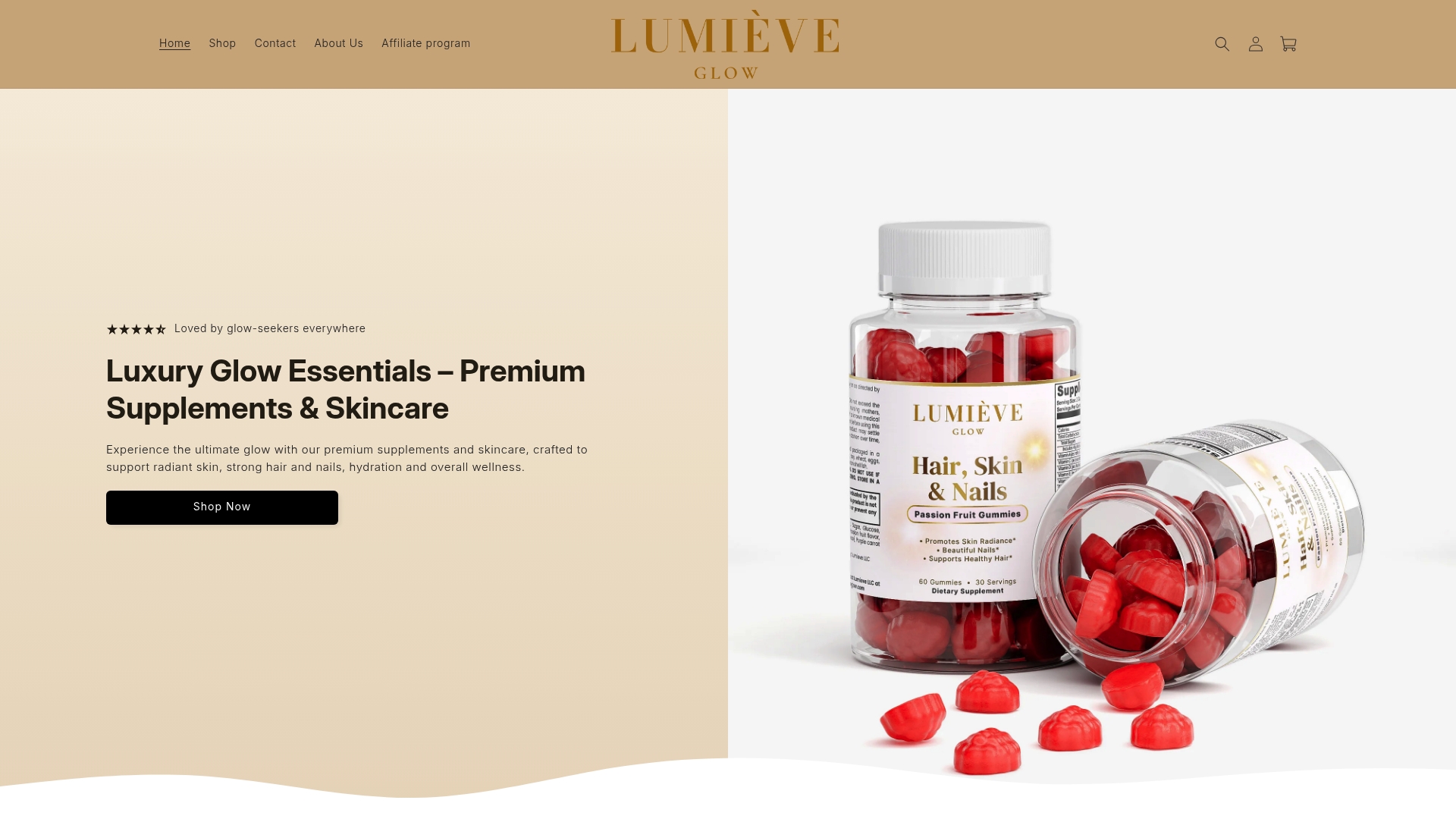
Our hair skin and nails strips deliver a blend of biotin, collagen, and vitamins in a fast-dissolving strip that makes daily supplementation effortless. If you’re looking for comprehensive collagen support, our beauty collagen strips provide type I and III collagen peptides to strengthen hair, skin, and nails. Explore the full range of Lumieve Glow beauty supplements to find formulations tailored to your specific wellness goals and lifestyle.
FAQ
Is supplementing with biotin necessary for hair growth?
Biotin helps only if you have a confirmed deficiency, which is rare in women who eat a varied diet. True biotin deficiency typically occurs in people with genetic disorders or those on long-term antibiotic therapy. Taking high doses without a deficiency offers no hair growth benefit and can interfere with critical lab tests, including thyroid panels and cardiac markers.
How long does it take for hair growth supplements to show results?
Most clinical trials show measurable improvements in hair density and diameter after 4 to 6 months of consistent daily use. This timeline reflects the natural hair growth cycle, as follicles need time to transition from resting to active phases. Patience and adherence to your supplement regimen are essential for achieving the results documented in research studies.
Can supplements alone solve hair thinning and shedding?
Supplements support hair health but don’t replace a balanced diet, stress management, or medical treatments for underlying conditions. Identifying root causes through lab testing is essential for long-term success. If you have thyroid disorders, hormonal imbalances, or autoimmune conditions, addressing those issues with your healthcare provider is critical for restoring hair health.
What nutrients should I test before starting hair growth supplements?
Test ferritin, vitamin D, and zinc levels first to identify specific deficiencies that may be causing hair thinning or shedding. Ferritin below 30 ng/mL and vitamin D below 30 ng/mL are common culprits in premenopausal women. Addressing these deficiencies through targeted supplementation restores follicle function and reduces shedding more effectively than generic multivitamins.
