

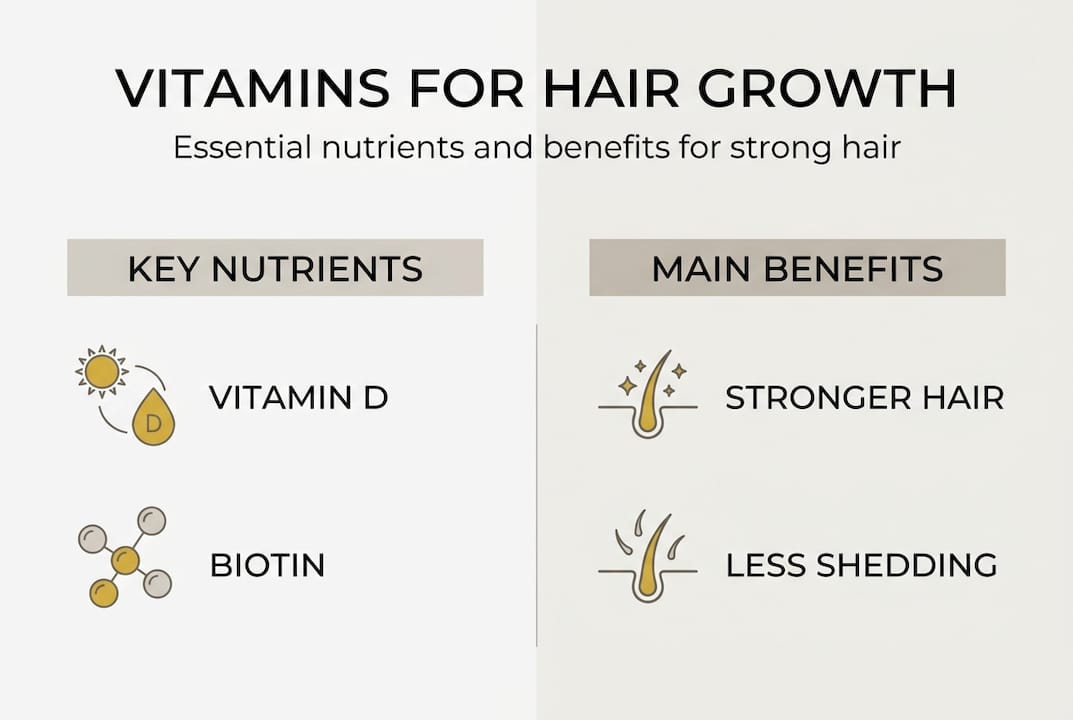
You’ve been taking hair growth vitamins for months, yet your brush still collects more strands than you’d like. The truth is, most women invest in supplements without understanding which vitamins actually work or why. Research shows that vitamin D regulates hair follicle cycling, iron supports oxygen delivery, zinc inhibits the catagen phase, and biotin supports keratin production, yet many beauty routines miss the mark on targeting deficiencies effectively. This article explores the science behind vitamins proven to influence hair growth, common supplementation pitfalls, and practical strategies to optimize your hair health through evidence-based approaches.
Table of Contents
- Key takeaways
- Understanding how vitamins support hair growth
- Scientific evidence: vitamins and hair growth outcomes in women 20-45
- Practical guidance: safe supplementation and avoiding pitfalls
- Integrating vitamins into your beauty routine effectively
- Explore Lumieve’s beauty supplements for radiant hair and skin
- Frequently asked questions
Key Takeaways
| Point | Details |
|---|---|
| Key hair nutrients | Vitamins and minerals such as vitamin D iron zinc biotin plus vitamins C and E support hair follicle function and growth cycles. |
| Deficiency driven benefits | Supplements mainly improve hair when a deficiency is present and excess intake offers limited extra value. |
| Multi nutrient approach | Using multi nutrient formulas or combined dietary strategies often yields better results than single vitamin supplements. |
| Blood testing advised | A blood test helps identify specific deficiencies to target and avoid unnecessary or harmful supplementation. |
| Three to six months | Expect three to six months of consistent use before seeing meaningful gains in hair density and strength. |
Understanding how vitamins support hair growth
Your hair follicles operate on a complex biological cycle that depends on specific nutrients to function optimally. Vitamin D regulates hair follicle cycling phases crucial for growth renewal, essentially acting as a switch that tells follicles when to grow and when to rest. Iron, although technically a mineral, enhances oxygen delivery to follicles, fueling the energy-intensive process of producing new hair cells. Without adequate iron, your follicles simply can’t manufacture hair efficiently, regardless of other nutrients present.
Zinc prevents the premature transition to the shedding phase, known as catagen, keeping your hair in the active growth phase longer. B vitamins, particularly biotin, support keratin synthesis, the structural protein that forms the foundation of each hair strand. Meanwhile, vitamins C and E protect follicles from oxidative stress, maintaining healthy cells that can produce strong, resilient hair. These nutrients work synergistically rather than independently, meaning they enhance each other’s effects when present together.
The hair growth cycle consists of three phases: anagen (growth), catagen (transition), and telogen (resting). Each vitamin influences different aspects of this cycle. For instance, vitamin D extends the anagen phase, while zinc prevents early entry into catagen. This biological choreography explains why beauty supplements for hair and nails containing multiple nutrients often deliver better results than single-vitamin approaches.
Pro Tip: Understanding each vitamin’s role helps customize your hair care and supplement routine effectively. Track which deficiencies you have through blood work, then target those specific nutrients rather than taking everything available.
Key mechanisms vitamins use to support hair health:
- Vitamin D activates genes responsible for follicle cycling and differentiation
- Iron carries oxygen to rapidly dividing follicle cells during active growth
- Zinc regulates androgen receptors and prevents inflammatory damage
- Biotin serves as a coenzyme in fatty acid synthesis for hair structure
- Vitamins C and E neutralize free radicals that damage follicle DNA
Scientific evidence: vitamins and hair growth outcomes in women 20-45
Clinical trials provide concrete evidence about which vitamins actually deliver measurable hair improvements in women during their prime beauty years. Supplements like Nutrafol improved hair density, while pumpkin seed oil and tocotrienols showed increased fiber thickness in women aged 18-44 over 6-month studies. These results weren’t marginal; participants experienced statistically significant increases in hair count per square centimeter and measurable improvements in strand diameter.
Researchers have identified that deficiencies in vitamin D, iron, zinc, and B12 are common in telogen effluvium, a condition characterized by excessive hair shedding. When women with these deficiencies received targeted supplementation, their shedding rates decreased substantially within three to six months. However, the studies consistently show that supplementation primarily benefits women with identified deficiencies; overuse in those with normal nutrient levels offers limited additional value.

The data reveals important patterns about timing and expectations. Hair follicles don’t respond overnight because they operate on monthly cycles. You need at least three months to see initial changes and six months for optimal results. During this period, existing hair strengthens while new growth emerges from previously dormant follicles. Women who discontinued supplementation before the three-month mark often reported no benefits, not because the vitamins didn’t work, but because they quit before the biological timeline allowed for visible changes.
| Study focus | Nutrient tested | Duration | Outcome in women 20-45 |
|---|---|---|---|
| Hair density | Multi-botanical (Nutrafol) | 6 months | Significant increase in hairs per cm² |
| Fiber thickness | Tocotrienols, PSO | 6 months | Measurable strand diameter improvement |
| Shedding reduction | Vitamin D, iron, zinc, B12 | 3-6 months | Decreased telogen effluvium symptoms |
| Overall quality | Multi-nutrient formulas | 6 months | Improved strength and shine ratings |
Key findings from clinical research:
- Women with vitamin D levels below 30 ng/mL showed the most dramatic improvement with supplementation
- Iron deficiency without anemia still impacts hair growth and responds to supplementation
- Multi-nutrient approaches outperformed single-vitamin protocols in head-to-head comparisons
- Placebo groups showed minimal improvement, confirming vitamin-specific effects
Pro Tip: Routine blood testing helps target supplementation effectively and avoid unnecessary intake. Request a comprehensive panel including vitamin D, ferritin, zinc, and B12 before starting any hair growth supplement regimen.
For targeted support, consider exploring hair skin and nails strips that combine multiple nutrients in convenient formats designed for consistent daily use.
Practical guidance: safe supplementation and avoiding pitfalls
Navigating vitamin supplementation requires understanding both benefits and risks, because excess vitamin A and minerals like selenium and iron can cause hair loss, creating the opposite effect you’re seeking. High doses exceeding 3,000 mcg per day of vitamin A, for instance, push hair follicles prematurely into the shedding phase. Similarly, selenium toxicity from overzealous supplementation manifests as brittle, breaking hair and even hair loss.
Biotin presents a unique challenge. While marketed heavily for hair growth, biotin deficiency is rare, and overuse can cause lab test interference, potentially masking serious health conditions during routine blood work. Most women have adequate biotin from diet alone, making supplementation unnecessary unless testing confirms deficiency. The interference issue is particularly problematic for thyroid and cardiac biomarker tests, leading to misdiagnosis if your doctor isn’t aware of your supplementation.
Multi-nutrient formulas provide inherent safety advantages over single high-dose vitamins. They deliver balanced amounts of various nutrients that work together, reducing the risk of toxicity from any single ingredient. This synergistic approach mirrors how you obtain nutrients from food, where vitamins and minerals naturally occur in balanced ratios.
| Vitamin/Mineral | Safe daily range | Excess intake risks | Warning symptoms |
|---|---|---|---|
| Vitamin A | 700-900 mcg | Hair loss, liver damage | Dry skin, headaches, vision changes |
| Vitamin D | 600-2000 IU | Calcium buildup, kidney issues | Nausea, weakness, frequent urination |
| Iron | 18 mg (women) | Toxicity, organ damage | Stomach pain, constipation, dark stools |
| Zinc | 8-11 mg | Immune suppression, copper deficiency | Nausea, metallic taste, headaches |
| Biotin | 30 mcg | Lab test interference | No direct toxicity, but diagnostic problems |
| Selenium | 55 mcg | Hair loss, brittle nails | Garlic breath, fatigue, irritability |
Steps for safe supplementation:
- Get baseline blood tests measuring vitamin D, ferritin, zinc, B12, and other relevant markers
- Choose a reputable multi-vitamin formula with balanced nutrient ratios from established brands
- Avoid megadoses unless specifically prescribed by a healthcare provider for confirmed deficiency
- Monitor hair changes over 3-6 months using monthly photos to track subtle improvements
- Consult your healthcare provider immediately if you experience side effects or unexpected symptoms
Pro Tip: Incorporate vitamin supplementation alongside a protein and omega-rich diet for optimal hair health synergy. Vitamins work best when your body has adequate building blocks from whole foods, not as replacements for poor nutrition.
Integrating supplements into a comprehensive approach maximizes results while minimizing risks. Learn more about building effective routines through daily wellness beauty routine tips that complement your supplementation strategy.
Integrating vitamins into your beauty routine effectively
Transforming vitamin knowledge into daily practice requires a holistic strategy that combines supplementation with nutrition, lifestyle, and targeted beauty care. Synergistic effects from multi-component supplements and combined dietary approaches outperform single-vitamin protocols, particularly when addressing the hormonal, oxidative, and immune factors affecting young women’s hair growth. Your routine should reflect this integrated approach rather than relying solely on pills.
Consistent use over 3-6 months is non-negotiable for visible hair improvements. Hair follicles operate on biological timelines that can’t be rushed, regardless of supplement quality. During this period, focus on pairing your multi-vitamin supplements with a nutrient-rich diet emphasizing proteins, essential fatty acids from fish and nuts, and antioxidants from colorful vegetables. These dietary components provide the raw materials vitamins need to support hair synthesis.
Practical steps to integrate vitamins in your routine:
- Schedule comprehensive blood tests every 6-12 months to personalize your approach and adjust supplementation based on changing needs
- Choose supplements with proven multi-nutrient synergy rather than isolated high-dose vitamins that may create imbalances
- Pair supplements with balanced meals containing healthy fats to enhance absorption of fat-soluble vitamins A, D, and E
- Use complementary skincare routines for scalp health, including gentle exfoliation and circulation-boosting massage
- Stay hydrated with at least 8 glasses of water daily and manage stress through regular exercise or meditation
- Track progress with monthly photos taken in consistent lighting to notice subtle improvements in density and shine
Young women face unique challenges affecting hair growth, including hormonal fluctuations from menstrual cycles, stress from career and relationship demands, and oxidative damage from styling tools and environmental factors. Your vitamin strategy should account for these realities by targeting multiple pathways simultaneously. For instance, combining antioxidant vitamins C and E with stress-reducing B-complex vitamins addresses both oxidative and hormonal factors.
Pro Tip: Track your hair progress with photos taken monthly under the same lighting conditions to notice subtle improvements and adjust your routine accordingly. Use the same hairstyle and camera angle to ensure accurate comparisons.
Building an effective routine means viewing vitamins as one component of comprehensive hair care. Explore beauty supplements for hair and nails that combine multiple nutrients, then integrate them with the lifestyle practices outlined in daily wellness beauty routine tips for maximum impact. This combined approach delivers results that isolated supplementation simply cannot achieve.
Explore Lumieve’s beauty supplements for radiant hair and skin
Now that you understand how vitamins support hair growth through targeted biological mechanisms, you’re ready to explore solutions designed with these scientific principles in mind. Lumieve offers multi-nutrient supplements specifically formulated to support hair, skin, and nail enhancement through synergistic combinations of vitamins, collagen, and botanicals.
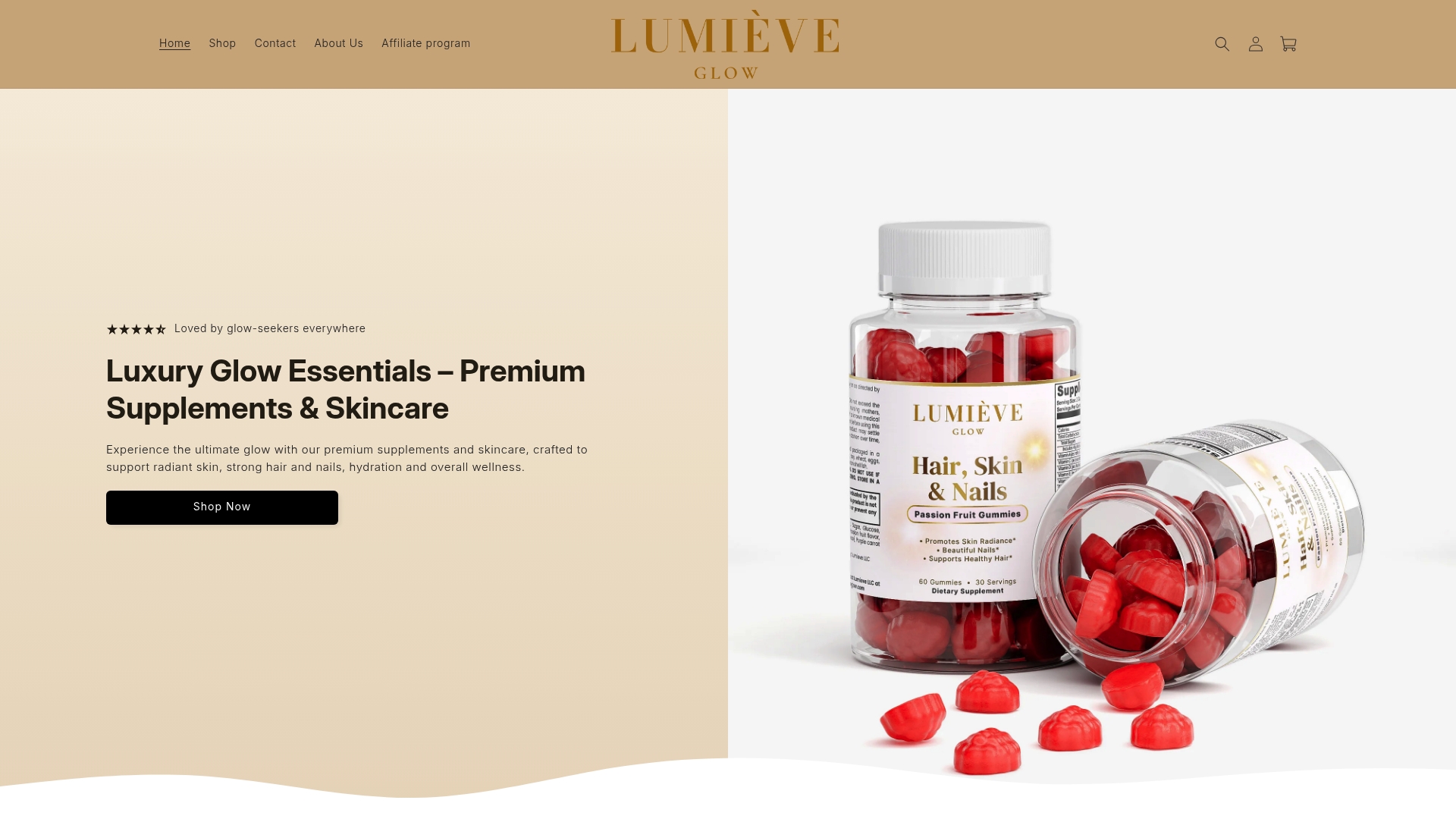
Our hair skin and nails strips deliver balanced ratios of the key nutrients discussed in this article, including biotin, vitamins C and E, and minerals that support follicle function. These convenient strips integrate seamlessly into your morning routine, providing consistent daily nutrition without the hassle of multiple pills. For enhanced support, beauty collagen strips combine structural proteins with vitamins to support both internal wellness and external radiance.
Explore our complete range of dietary supplements for beauty and wellness to find formulas tailored to your specific needs. Each product undergoes rigorous quality testing to ensure you receive lab-verified ingredients in effective doses, supporting your journey toward healthier, more vibrant hair safely and effectively.
Frequently asked questions
What vitamins are most important for hair growth in women?
Key vitamins for hair growth include D, B-complex (especially biotin and B12), C, E, iron, and zinc, each supporting different hair follicle functions and growth phases. Vitamin D regulates follicle cycles, iron delivers oxygen to growing cells, zinc prevents premature shedding, and B vitamins promote keratin production. Rather than focusing on a single vitamin, target multiple nutrients through blood-test-guided supplementation for comprehensive support.
Can I take biotin supplements even if I’m not deficient?
Biotin benefits hair growth mainly when you have a confirmed deficiency; otherwise, supplementation shows little measurable effect and can interfere with thyroid and cardiac lab tests. Testing your biotin level before supplementing is recommended to avoid unnecessary intake and potential diagnostic complications. Most women obtain adequate biotin from eggs, nuts, and whole grains without needing additional supplements.
How long does it take to see results from vitamin supplements for hair growth?
Hair improvement from vitamin supplements typically requires 3-6 months of consistent daily use to become noticeable, because follicles operate on monthly growth cycles that can’t be accelerated. Initial changes appear around three months as existing hair strengthens, while optimal density improvements emerge closer to six months. Patience and ongoing monitoring through monthly progress photos are essential for accurately assessing effectiveness.
Are there risks of taking too many vitamins for hair growth?
Excess vitamin A, selenium, and iron can cause hair shedding, toxicity symptoms, and organ damage when consumed above safe daily limits. High-dose vitamin A above 3,000 mcg daily pushes follicles into premature shedding, while selenium toxicity manifests as brittle, breaking hair. Always avoid megadoses, choose balanced multi-nutrient formulas over isolated high-dose vitamins, and consult a healthcare provider for personalized dosing guidance based on your blood test results.
