

You’ve invested in premium shampoos, conditioners, and masks, yet your hair still lacks the vitality you crave. The missing piece isn’t on your bathroom shelf. Internal nutrition, particularly micronutrients, drives hair health from within. These tiny but mighty nutrients power follicle function, strengthen strands, and create the foundation for truly vibrant hair. This guide reveals which micronutrients matter most, how deficiencies manifest, and practical steps to optimize your intake for the lustrous locks you deserve.
Table of Contents
- How Micronutrients Influence Hair Growth And Vitality
- Top Micronutrients For Healthy, Vibrant Hair: Functions And Sources
- Recognizing Micronutrient Deficiencies: Hair Symptoms And Testing Methods
- Practical Tips To Optimize Micronutrient Intake For Glowing Hair
- Explore Lumieve’s Targeted Beauty Supplements For Vibrant Hair
- FAQ
Key takeaways
| Point | Details |
|---|---|
| Essential micronutrients | Biotin, zinc, iron, and vitamins A, C, D, and E are critical for hair growth and strength. |
| Deficiency signs | Thinning, brittleness, slow growth, and dullness indicate potential micronutrient gaps. |
| Internal nutrition matters | Topical treatments alone cannot compensate for nutritional deficiencies affecting follicles. |
| Testing provides clarity | Blood panels identify specific deficiencies, enabling targeted supplementation strategies. |
| Holistic approach wins | Combining nutrient-rich foods, quality supplements, and consistent beauty routines maximizes results. |
How micronutrients influence hair growth and vitality
Your hair follicles are metabolic powerhouses, constantly building keratin to create each strand. This process demands a steady supply of micronutrients. Without adequate biotin and zinc for keratin production, follicles struggle to maintain normal growth cycles. The result? Thinner, weaker hair that breaks easily.
Micronutrients serve distinct yet interconnected roles in hair health:
- Biotin activates enzymes that metabolize amino acids into keratin building blocks
- Zinc regulates cell division in rapidly growing follicle tissue
- Iron delivers oxygen to follicle cells, fueling energy production
- Vitamin A supports sebum production, keeping scalp and strands moisturized
- Vitamin C synthesizes collagen, strengthening blood vessels that nourish follicles
- Vitamin D modulates hair cycle phases, preventing premature shedding
- Vitamin E neutralizes oxidative stress that damages follicle cells
When deficiencies occur, hair growth slows dramatically. Follicles enter resting phases prematurely, leading to noticeable thinning over time. Strands become brittle because structural proteins lack proper reinforcement. Scalp circulation diminishes, starving follicles of nutrients and oxygen.
Pro Tip: Track your hair’s texture and growth rate monthly. Sudden changes often signal nutritional gaps before blood tests reveal deficiencies.
“Hair reflects your internal health status. What you feed your body directly impacts follicle function and strand quality.”
The beauty of addressing micronutrient status lies in its cumulative impact. Optimizing intake doesn’t just prevent problems. It actively enhances hair’s natural shine, elasticity, and growth potential. Think of beauty supplements for hair and nails as internal conditioning treatments that work 24/7.
Top micronutrients for healthy, vibrant hair: functions and sources
Understanding which micronutrients to prioritize transforms vague wellness advice into actionable strategy. Each nutrient contributes uniquely to hair health, and knowing their specific roles helps you make informed dietary and supplementation choices.
| Micronutrient | Primary Hair Function | Top Food Sources | Daily Target |
|---|---|---|---|
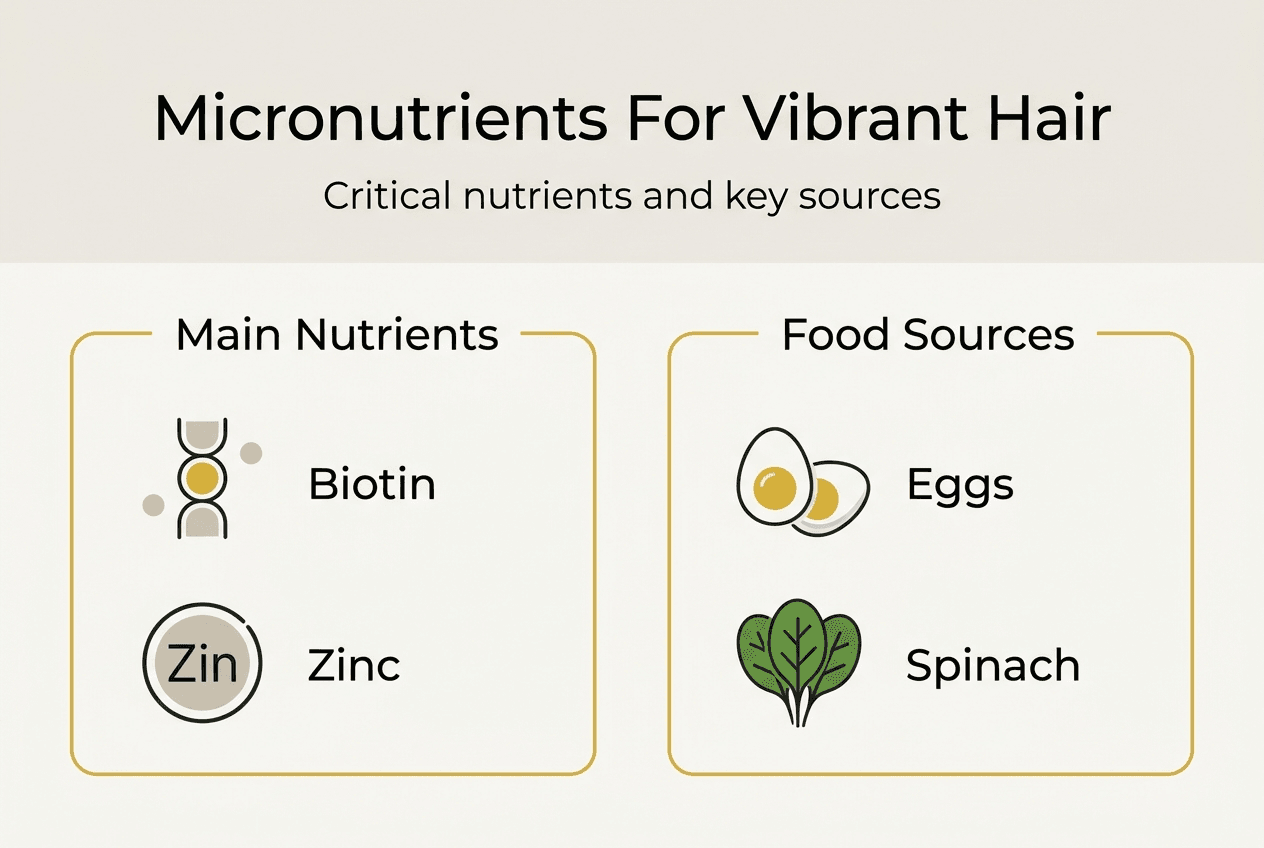
| Biotin | Keratin synthesis, follicle metabolism | Eggs, almonds, sweet potatoes, spinach | 30 mcg |
| Zinc | Cell reproduction, protein synthesis | Oysters, beef, pumpkin seeds, chickpeas | 8-11 mg |
| Iron | Oxygen transport to follicles | Red meat, lentils, fortified cereals, spinach | 18 mg (women), 8 mg (men) |
| Vitamin C | Collagen formation, iron absorption | Citrus fruits, bell peppers, strawberries, broccoli | 75-90 mg |
| Vitamin D | Hair cycle regulation, follicle activation | Fatty fish, egg yolks, fortified dairy, sunlight | 600-800 IU |
| Vitamin E | Antioxidant protection, scalp circulation | Sunflower seeds, avocado, almonds, spinach | 15 mg |
Biotin stands out as the most recognized hair nutrient, and for good reason. It activates carboxylase enzymes that process amino acids into keratin. Without sufficient biotin, your body cannot efficiently build the structural protein that comprises 95% of each hair strand. Research confirms biotin and zinc prevent hair loss when deficiencies exist.
Zinc deserves equal attention. This mineral regulates over 300 enzymatic reactions, including those governing cell division in hair follicles. Zinc deficiency disrupts the anagen (growth) phase, forcing more follicles into telogen (resting) phase prematurely. The visible outcome is diffuse hair thinning across the scalp.
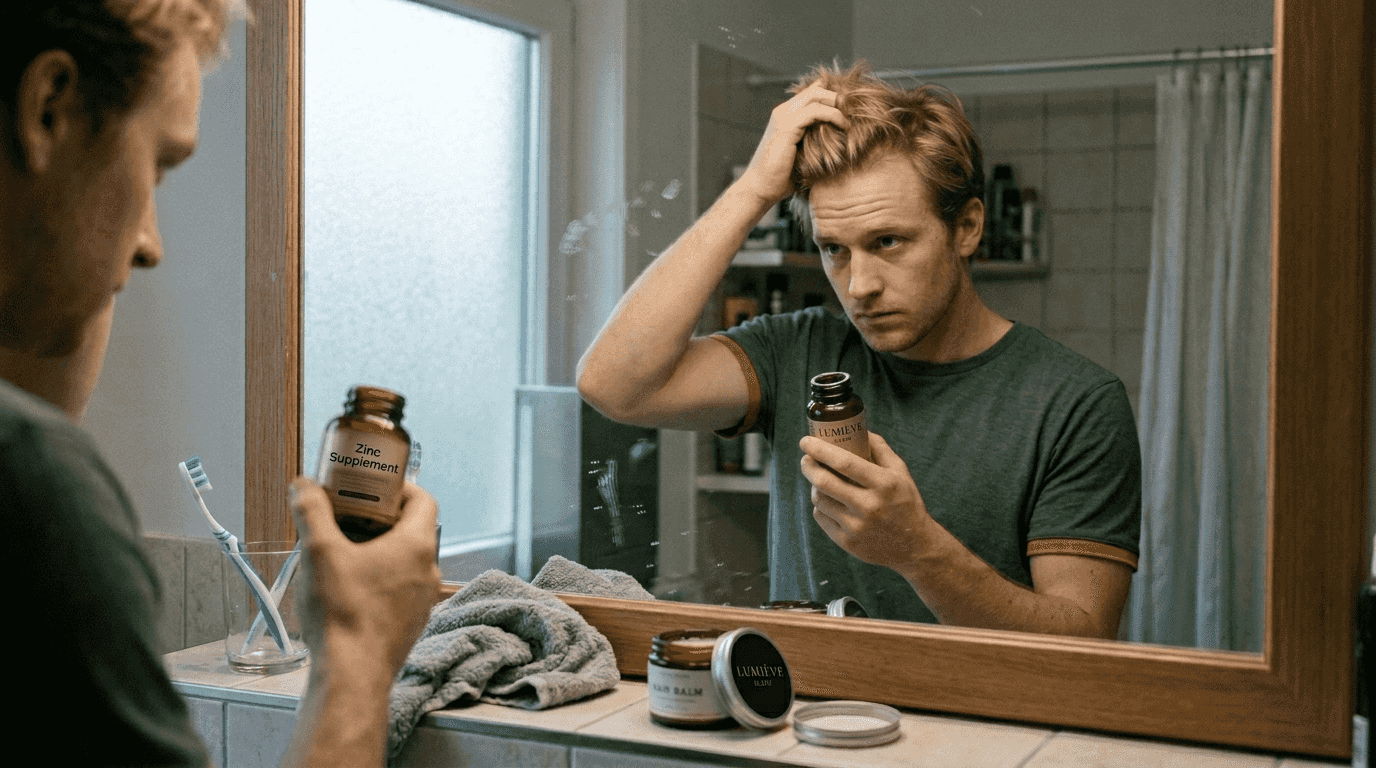
Iron’s role extends beyond preventing anemia. Ferritin, your iron storage protein, must reach adequate levels to support robust hair growth. Low ferritin correlates strongly with telogen effluvium, a condition causing excessive shedding. Women face particular risk due to menstrual blood loss.
Vitamins C and E work synergistically as antioxidants. Vitamin C also enhances iron absorption from plant sources, making it doubly valuable for vegetarian diets. Vitamin E improves blood flow to the scalp, ensuring follicles receive nutrients efficiently.
Pro Tip: Pair iron-rich plant foods with vitamin C sources in the same meal to boost absorption by up to 300%. Try lentil soup with bell peppers or spinach salad with strawberries.
Integrating these nutrients into your daily wellness beauty routine creates a foundation for lasting hair health. Whole food sources provide the most bioavailable forms, but targeted supplementation fills gaps when dietary intake falls short.
Recognizing micronutrient deficiencies: hair symptoms and testing methods
Your hair communicates nutritional status through visible changes. Learning to read these signals enables early intervention before deficiencies cause lasting damage. Micronutrient deficiencies create brittle, thinning hair and scalp issues that topical treatments cannot resolve.
Common deficiency symptoms include:
- Increased shedding beyond the normal 50-100 hairs daily
- Strands that break easily when wet or during styling
- Slow regrowth after haircuts or in areas of previous loss
- Dull appearance lacking natural shine and luster
- Dry, flaky scalp despite regular moisturizing
- Premature graying in individuals under 35
These signs often develop gradually, making them easy to dismiss initially. You might attribute changes to stress, aging, or seasonal factors. However, persistent symptoms warrant investigation, especially when multiple indicators appear simultaneously.
Professional testing provides definitive answers. Healthcare providers use several diagnostic approaches:
- Complete blood count (CBC) screens for iron deficiency anemia affecting oxygen delivery
- Serum ferritin measures iron stores, revealing subclinical deficiency before anemia develops
- Zinc plasma levels identify deficiency, though interpretation requires expertise
- 25-hydroxyvitamin D assesses vitamin D status impacting hair cycling
- Comprehensive metabolic panels evaluate overall nutritional status
Timing matters when testing. Iron levels fluctuate based on recent meals, so fasting samples provide more accurate results. Biotin supplementation can interfere with certain lab tests, so inform your provider about any supplements you take.
Self-monitoring complements professional evaluation. Keep a hair journal documenting shedding patterns, texture changes, and growth observations. Photograph your scalp monthly under consistent lighting to track density objectively. This data helps healthcare providers assess whether interventions are working.
Early detection transforms outcomes. Addressing deficiencies within the first three months typically yields visible improvement within six months as new, healthier hair replaces compromised strands. Delayed intervention allows more follicles to enter prolonged resting phases, extending recovery time.
Consider genetic factors too. Some individuals have higher micronutrient requirements due to absorption variations or metabolic differences. Personalized testing reveals your unique baseline, enabling tailored supplementation rather than generic recommendations.
Practical tips to optimize micronutrient intake for glowing hair
Knowledge becomes power only through consistent application. These evidence-based strategies help you translate micronutrient science into daily habits that nourish your hair from within.
Prioritize whole food sources as your foundation. Nutrient-dense meals provide not just individual micronutrients but cofactors that enhance absorption and utilization. Build plates around colorful vegetables, quality proteins, healthy fats, and whole grains. This approach naturally delivers the spectrum of vitamins and minerals your follicles need.
Strategic supplementation fills inevitable gaps. Modern lifestyles, dietary restrictions, and soil nutrient depletion make achieving optimal intake through food alone challenging. Supplementing alongside skincare routines enhances hair vitality by addressing internal deficiencies topical products cannot reach. Consider hair, skin and nails supplement strips for convenient, precisely dosed micronutrient delivery.
Timing influences effectiveness:
- Take iron supplements on an empty stomach with vitamin C for maximum absorption
- Consume fat-soluble vitamins (A, D, E) with meals containing healthy fats
- Split high-dose supplements throughout the day rather than taking once
- Avoid calcium and iron together, as they compete for absorption
Hydration amplifies nutrient transport. Water carries dissolved micronutrients through your bloodstream to follicles. Aim for half your body weight in ounces daily. Herbal teas and water-rich foods like cucumbers and melons contribute to this goal.
Scalp massage boosts circulation, helping nutrients reach follicles efficiently. Spend five minutes daily using fingertips to apply gentle pressure in circular motions across your entire scalp. This simple practice enhances blood flow while reducing stress hormones that disrupt hair cycling.
Pro Tip: Combine scalp massage with a few drops of rosemary or peppermint essential oil diluted in carrier oil. Research shows these botanicals stimulate follicle activity when absorbed through the scalp.
Avoid over-supplementing, which creates new problems. Excessive vitamin A causes hair loss. Too much selenium triggers brittleness and shedding. Stick to recommended dosages unless testing reveals specific deficiencies requiring higher therapeutic amounts under medical supervision.
Consistency trumps intensity. Your hair grows approximately half an inch monthly, meaning today’s nutrition impacts strands that will emerge three to six months from now. Sporadic efforts yield disappointing results. Commit to daily wellness beauty routine practices that become automatic habits.
Monitor progress objectively. Measure ponytail circumference monthly or count shed hairs during washing. Track energy levels and nail strength, as improvements in these areas often precede visible hair changes. Adjust your approach based on results rather than assumptions.
Explore Lumieve’s targeted beauty supplements for vibrant hair
Transforming your hair starts with the right nutritional foundation. Lumieve Glow formulates premium supplements specifically designed to support hair health through scientifically backed micronutrient blends. Our hair, skin and nails supplement strips deliver biotin, zinc, and essential vitamins in convenient, great-tasting strips that dissolve instantly.
Each product undergoes rigorous lab testing to ensure purity and potency. We combine micronutrients with natural collagen in our beauty collagen strips, creating synergistic formulas that address hair health from multiple angles. These targeted solutions integrate seamlessly into your morning routine, requiring just seconds while delivering hours of internal nourishment. Discover how professional-grade supplements from Lumieve Glow can elevate your hair care results beyond what topical treatments alone achieve.
FAQ
What micronutrients should I prioritize for hair growth?
Biotin, zinc, and iron form the essential trio for robust hair growth. Biotin drives keratin synthesis, zinc regulates follicle cell division, and iron ensures adequate oxygen delivery to metabolically active follicles. Vitamins A, C, D, and E provide additional support through collagen production, antioxidant protection, and hair cycle regulation. Prioritize getting these nutrients through varied whole foods first, then supplement strategically to address any remaining gaps identified through symptoms or testing.
Can micronutrient supplements reverse hair thinning?
Supplements can significantly improve hair density and thickness when thinning stems from nutritional deficiencies. Results typically appear within three to six months as new, healthier hair replaces compromised strands. However, supplements cannot reverse hair loss caused by genetic factors, hormonal imbalances, or scarring conditions. Early intervention yields the best outcomes, so address suspected deficiencies promptly. Combine supplementation with stress management and gentle hair care practices for comprehensive results.
How do I know if I have a micronutrient deficiency affecting my hair?
Watch for increased shedding beyond 100 hairs daily, brittle strands that break easily, slow regrowth, persistent dullness, and dry scalp despite moisturizing efforts. These symptoms suggest possible deficiencies but require professional confirmation. Schedule blood tests measuring ferritin, zinc, vitamin D, and complete blood count to identify specific gaps. Your healthcare provider can interpret results within the context of your overall health, dietary patterns, and family history to recommend appropriate interventions.
Are dietary sources enough, or should I take supplements?
A varied, nutrient-dense diet provides sufficient micronutrients for many individuals. However, factors like restrictive eating patterns, digestive issues affecting absorption, increased demands during stress, and modern soil depletion often create gaps. Supplements offer insurance against deficiency, especially for nutrients difficult to obtain through food alone, like vitamin D in northern climates. Consult a healthcare provider or registered dietitian to assess your unique needs based on dietary analysis, symptoms, and lab results before starting supplementation protocols.
Recommended
- Top supplements for glowing skin in 2026: expert picks – LUMIEVE
- Peptide Hair Growth Serum – LUMIEVE
- Hair, Skin & Nails Gummies – Glow from Within | LUMIEVE – LUMIEVE
- Beauty Supplements for Hair and Nails Benefits | LUMIEVE – LUMIEVE
- Navigate beauty supply stores for mature skin in 2026 – Luméra Cosmetica
